Life & Style
Gardeners’ World
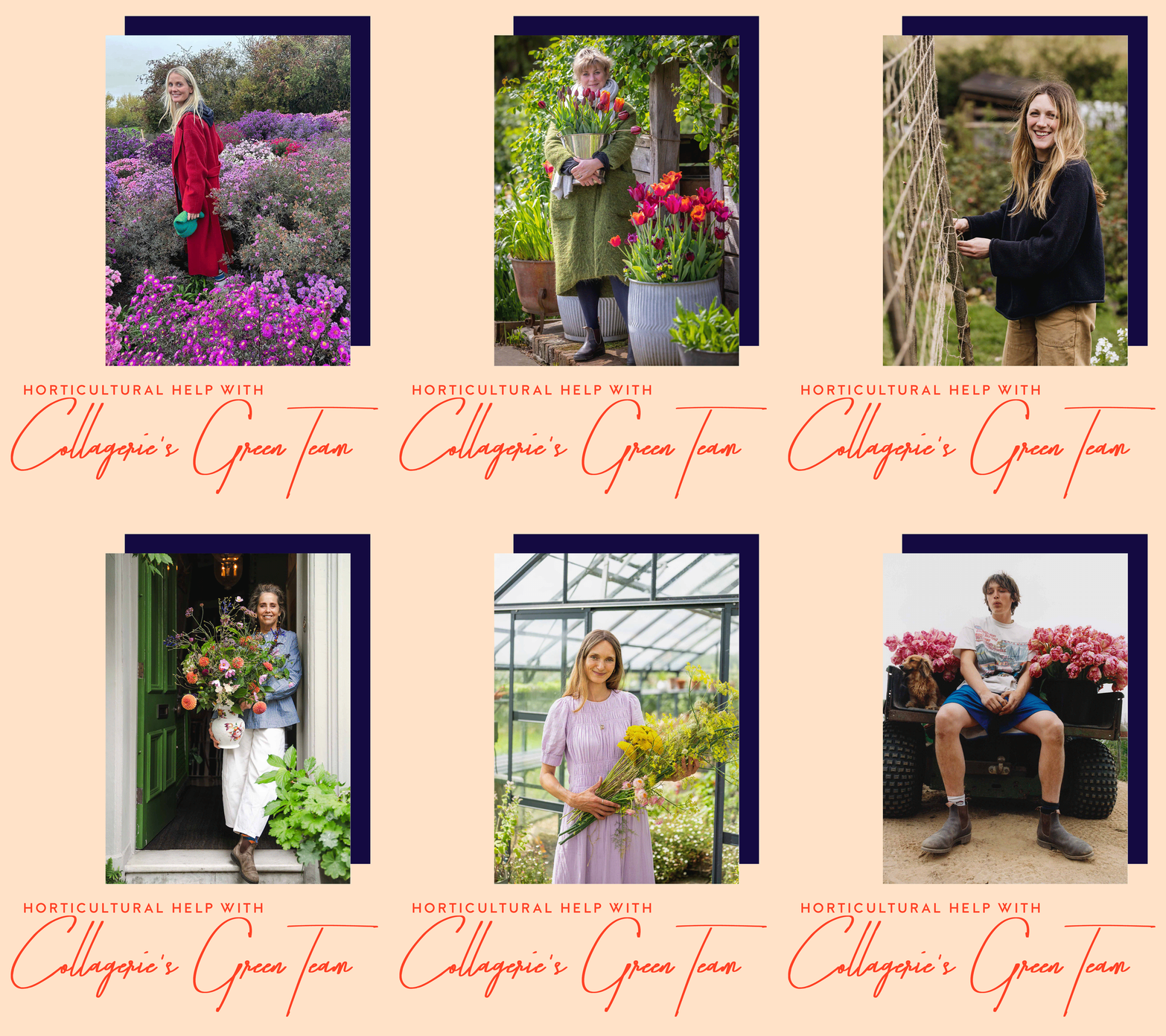
Grab your gloves and tidy your truckle. April is National Garden Month – a moment when the seasonal mix of sunshine and showers leads to sprouting at speed. To up the horticultural heat, we asked green-fingered tastemakers for their three top tips on how to keep any outside space blooming.
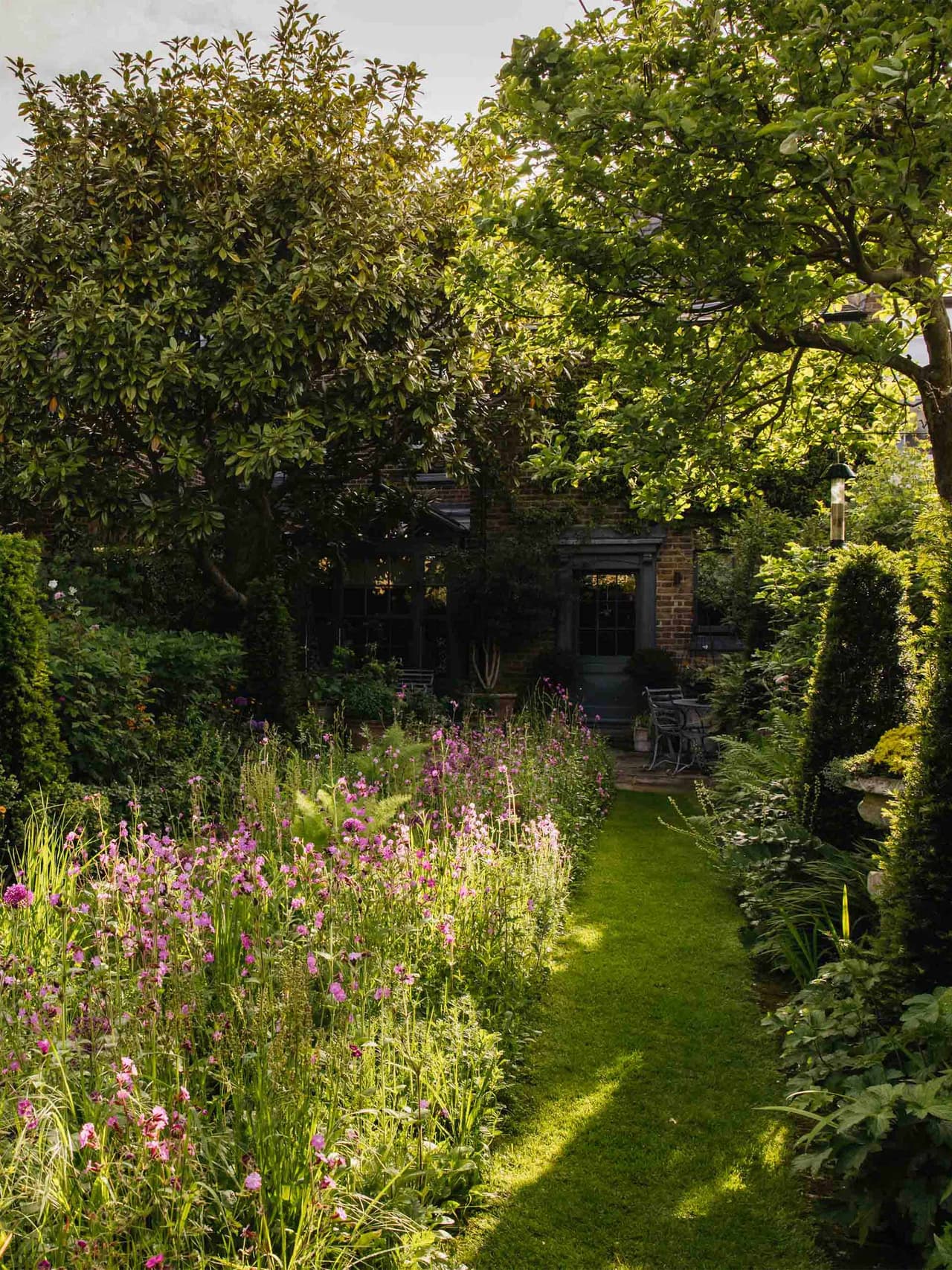
Butter Wakefield, Garden Designer
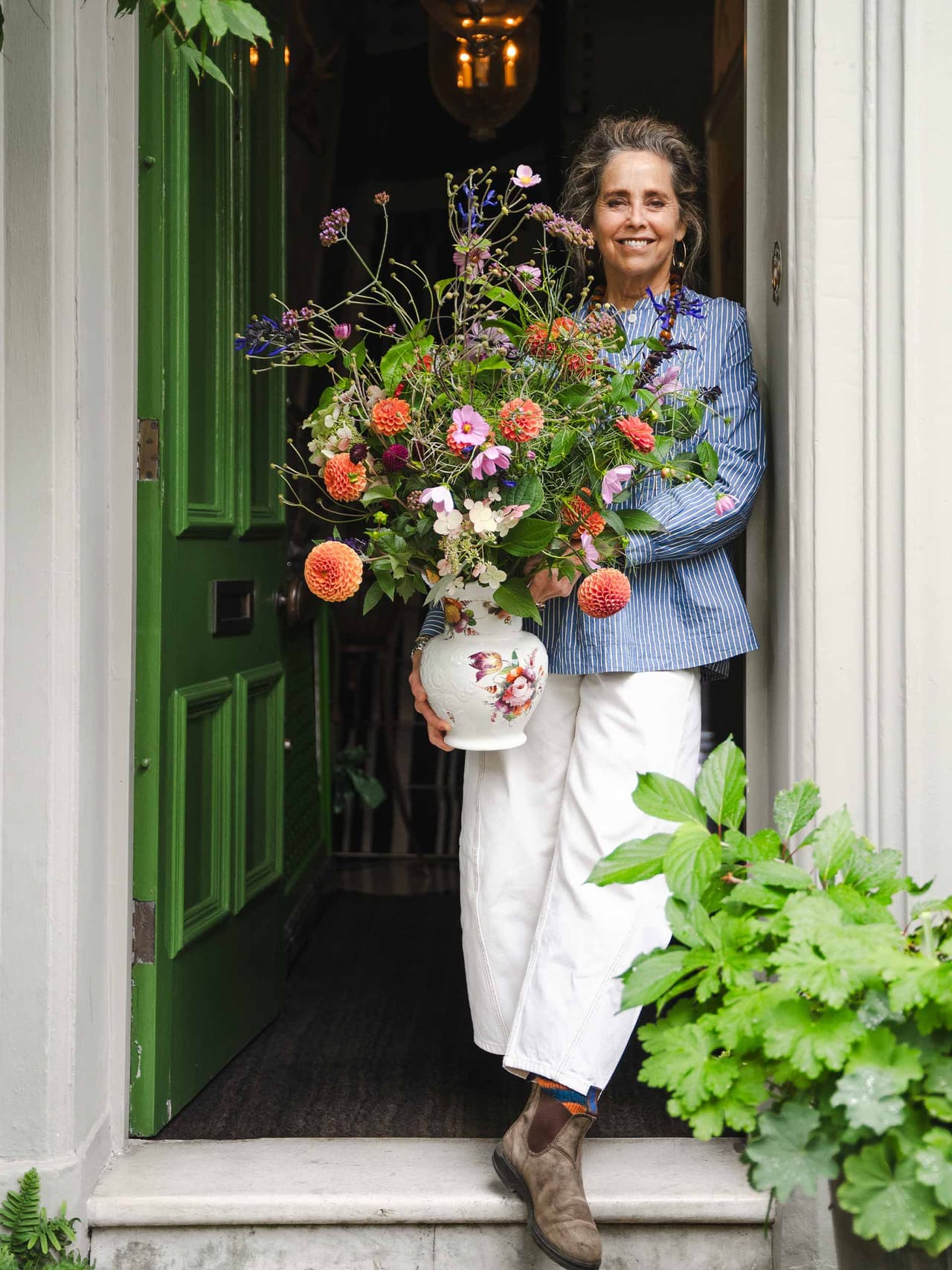
1. A regular feeding regime is essential
Every spring I mulch my borders with a wonderful organic manure compost mix by Mr. Muck. It is well-rotted and creates a wonderful look to the borders with its rich dark colour, as well as feeding the soil, creating a bit of a weed barrier and helping to hold in moisture. Every three weeks I also apply a granular organic feed, followed by Neudorff liquid feed for my roses. I adore both climbing and shrub roses, and I find they respond and perform best if they are fed regularly.
2. Plant for the pollinators
If your garden isn’t already filled with pollen and nectar-rich plants, try to include as many flowering perennials and annuals as you can. Early flowering varieties such as Pulmonary Officinalis ‘Opal’ and ‘Blue Ensign’, and Symphytum Grandiflorum ‘Wisley Blue’ are flowering now in my garden, and they are covered in bees throughout the day. I also sow Zinnias and Cosmos later in the season, which provide a tremendous amount of goodies for the insects all summer long. Finally, I grow a range of late-flowering Salvias, such as ‘Black and Blue’ and ‘Amstad’, which the bees love and which flower until the first frost.
3. Include a water source in your garden
A bird bath or bowl of water will draw in birds and insects while offering a tremendous amount of interest and pleasure. There is nothing more exciting than seeing birds and insects come into the garden for a drink and a bathe.
Butter’s Picks
Alfie Nickerson, Grower & Founder, Burnt Fen Flowers

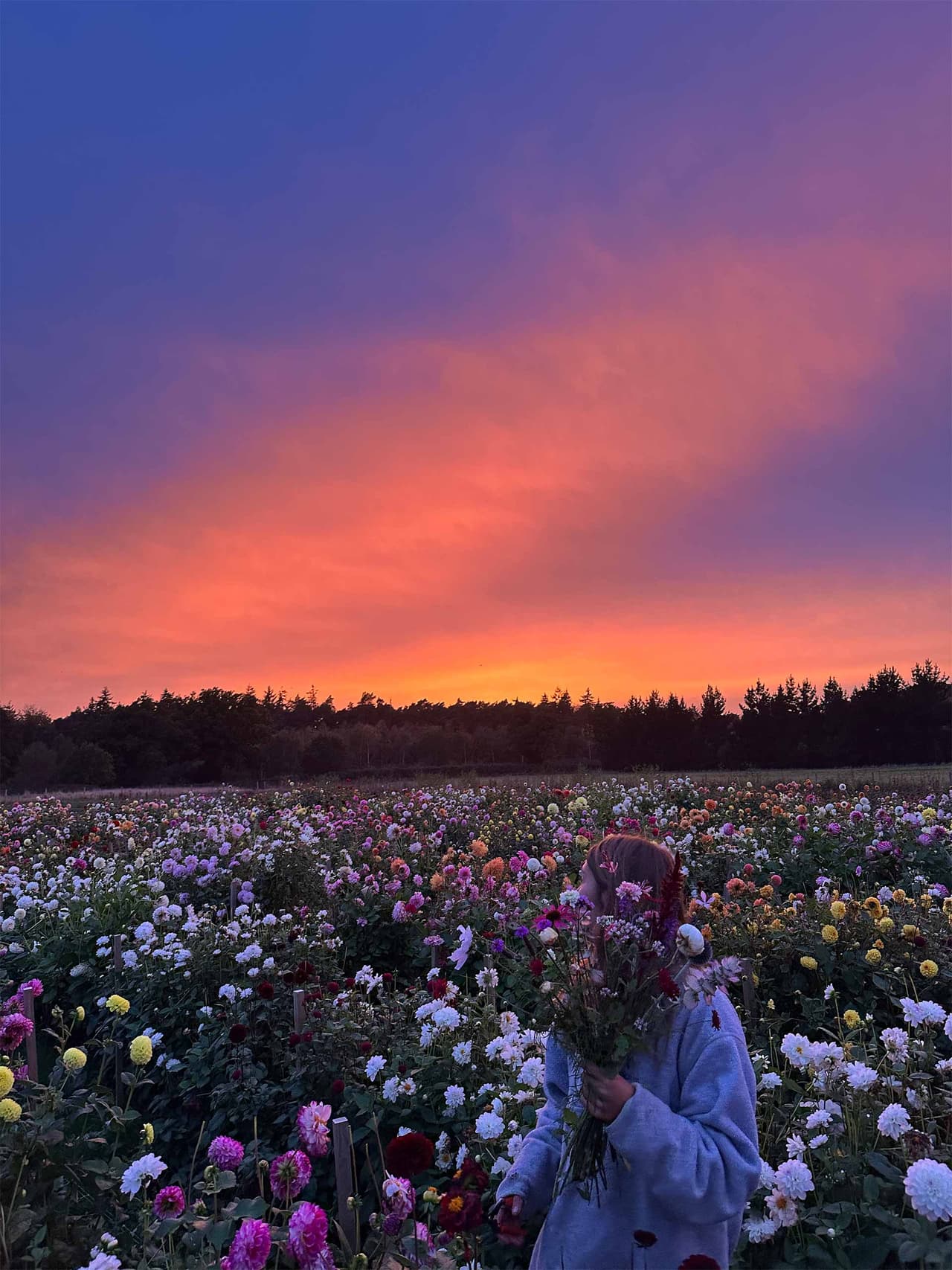
1. Don’t worry too much about making everything look perfect
Wildlife doesn’t judge beauty, it thrives in all shapes and sizes. If you leave your hedges a bit taller, birds will love you for it. In winter, leave seed heads in place; this helps insects survive through the colder months.
2. Staying on top of things in spring is really important
If you fall behind, it can be hard to catch up for the rest of the year – the best time to start was yesterday! Make sure you’ve planted or sown what you want for summer, have your tools ready, and set mouse traps early before any damage becomes a problem.
3. Always grow something new each year
It keeps things exciting and gives you a reason to check in on your garden regularly. Take time to look over everything and make mental notes of what’s doing well and what isn’t, so you can respond quickly to your plants’ needs. For example, with hotter, drier summers, you may need to water more often. If your roses get aphids, a garlic spray can help get rid of them.
Alfie’s Picks
Sarah Raven, Gardener, Chef & Writer
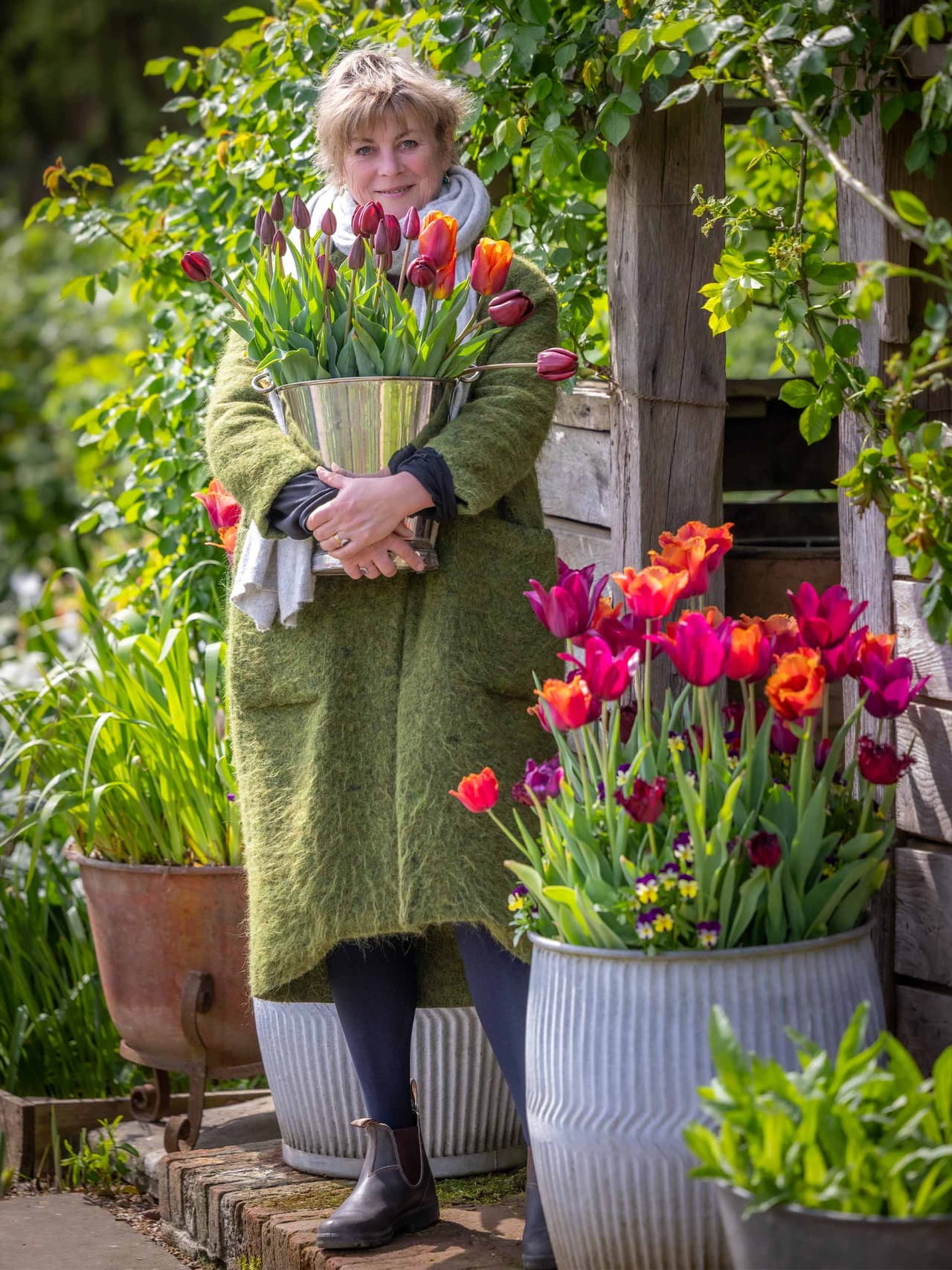
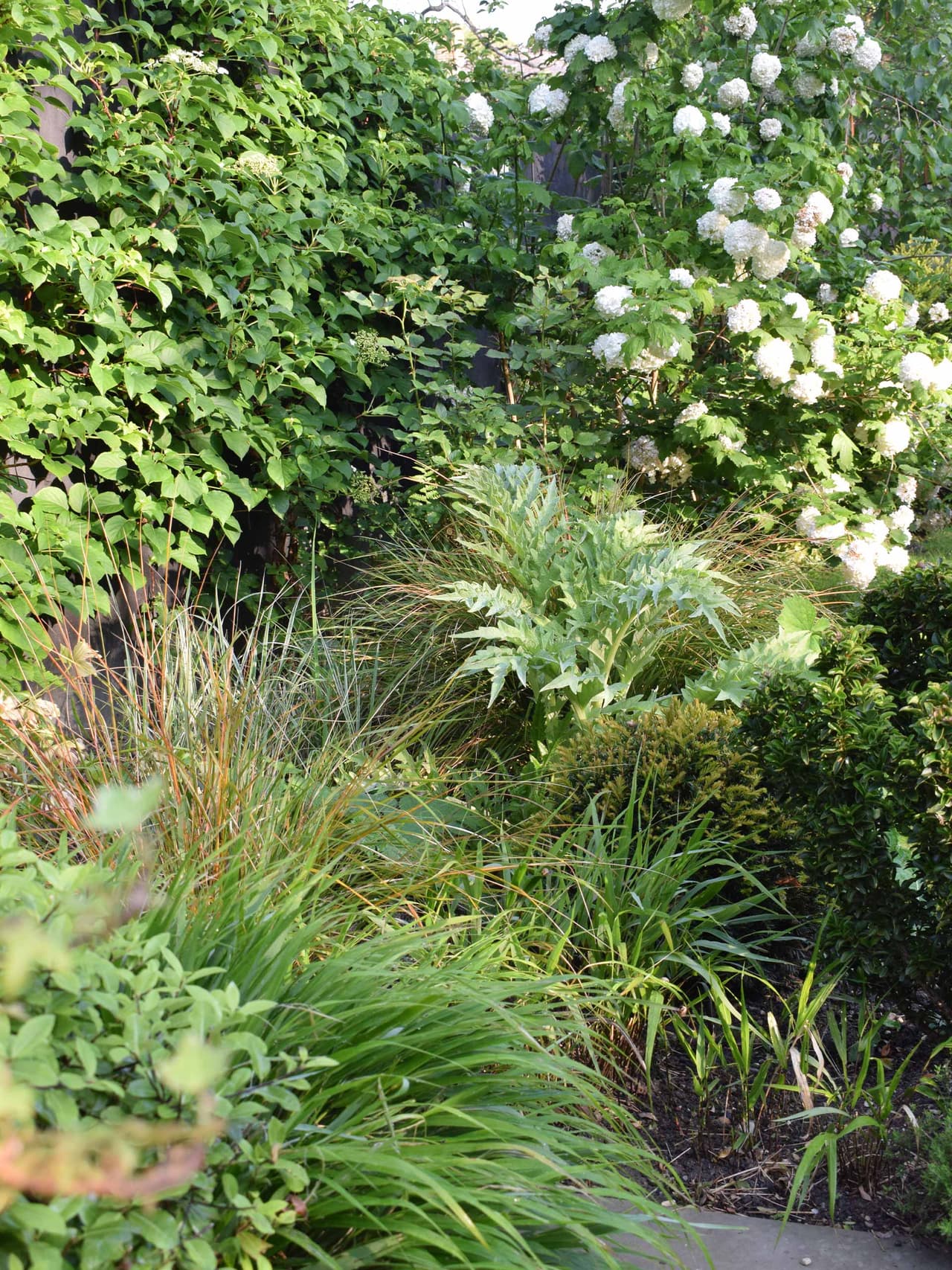
1. Design your garden so you can see and enjoy it
One of the simplest ways to make a garden feel instantly more glorious is to bring it closer to you. Outside my kitchen window, we’ve grown a hedge of Hydrangea ‘Incrediball’, so I can stand at the sink and look straight into its vast, cloud-like, pompom heads. Cluster pots on tables, line them along paths, or group Violas, Heucheras and ferns by doorways to blur the threshold between house and garden. Inside, generous vases placed by windows act as a visual bridge, pulling the outside world in.
2. Choose cut-and-come-again stars
If you want a garden that keeps on giving, focus on plants that reward you the more you pick. Cosmos, Dahlias and many annuals will flower their hearts out if you keep harvesting them. In my first cutting patch, I could barely keep up with the buckets of flowers – the more I cut, the more they produced. It’s the simplest trick for maximum impact, indoors and out.
3. Garden with nature, not against it
The secret to a thriving, beautiful garden is to invite wildlife in – it will reward you tenfold. Plant bird-friendly seed-, hip- or berry-bearing plants just outside the kitchen window, so you can enjoy the daily theatre, and you’ll soon find they help keep slugs in check. For bees, plant generously with pollen- and nectar-rich flowers – single Dahlias, Cosmos, Salvia and Lavender are all irresistible. The more life you welcome in, the more your garden will sing.
Sarah’s Picks
Hazel Gardiner, Luxury Floral Designer
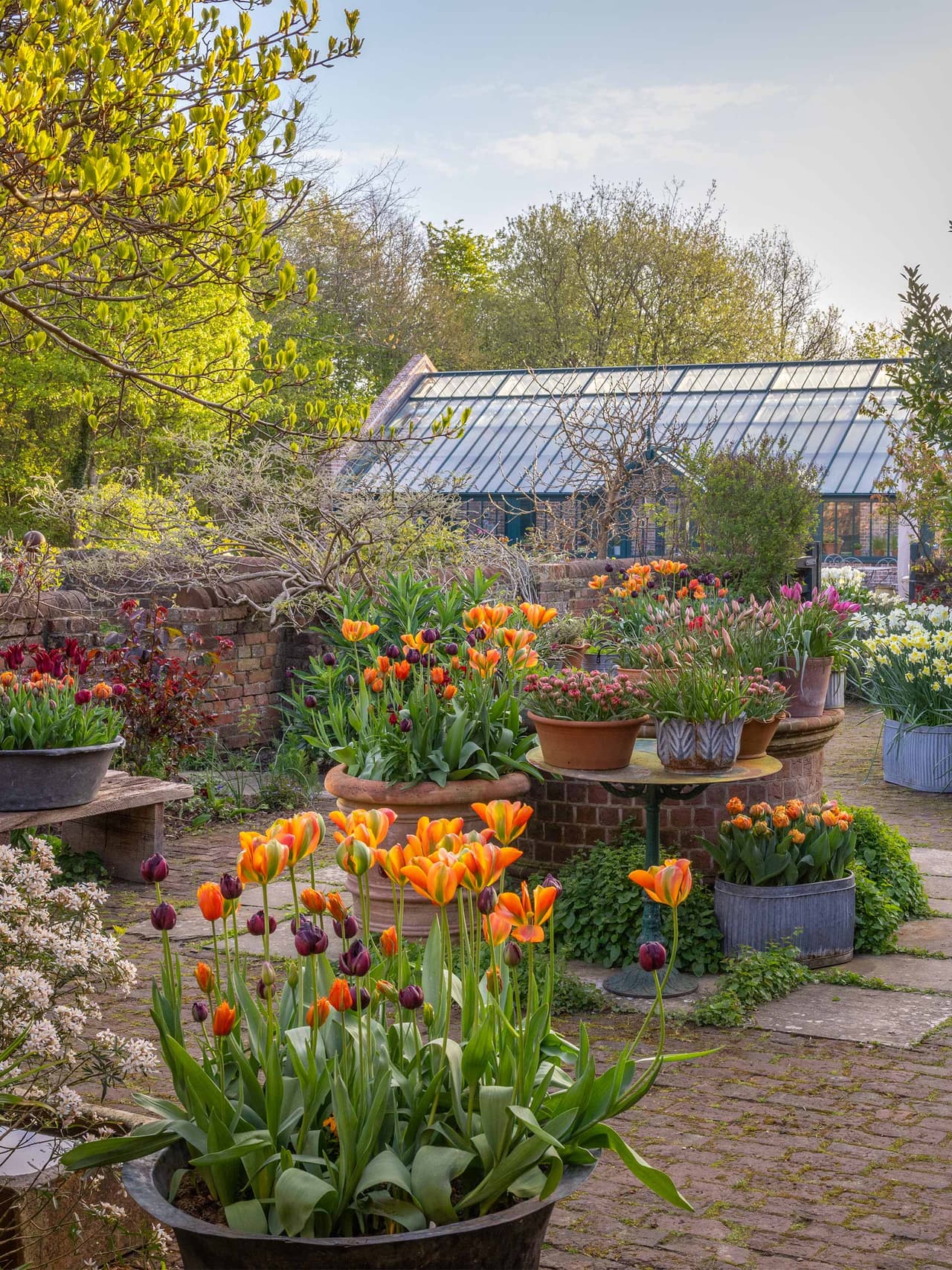
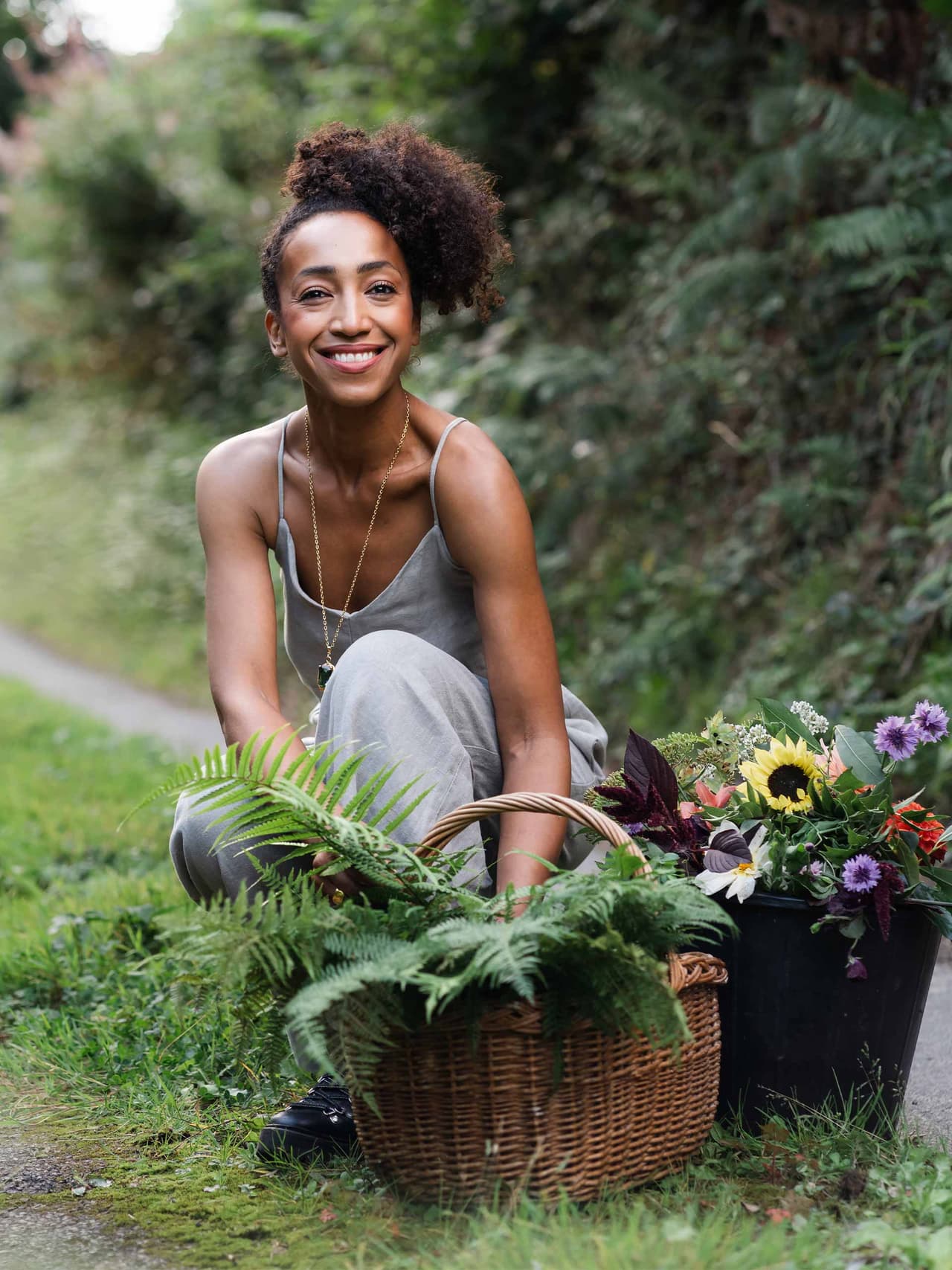
1. Resist the urge to over-control
Don’t get stuck in a loop of perfection and precision; some of our most successful planting schemes have felt completely wild and natural. If you have a Foxglove that’s leaning into your pathway or a Nigella that self-seeds, embrace it. There is nowhere in nature where everything is perfect, nor should it be. Enjoy and embrace the wildness.
2. Lead with scent, not just colour
We’re trained to design gardens and floral arrangements visually, but the most memorable outdoor spaces engage all the senses. This year, build a scent journey — Sweet Peas climbing near a door, Rosa ‘Gertrude Jekyll’ by a seating area, stocks at dusk, uplifting Lemon Verbena potted on a table. We feel scent in our bodies; fragrance shape-shifts our moods, staying with us long after the sun has set.
3. Have patience, and remember why you started
Every garden needs a place that isn’t for showing off or weighed down by a constant to-do list. Like a wardrobe, the most beautiful gardens aren’t built in a single season. They are gathered, edited and reimagined over time. We have to enjoy our outdoor spaces. So create a spot for a comfortable chair, a pot of tea and enough privacy to simply be. If your garden restores your spirits and brings others joy, that’s success to me.
Hazel’s Picks
Milli Proust, Farmer, Florist & Author
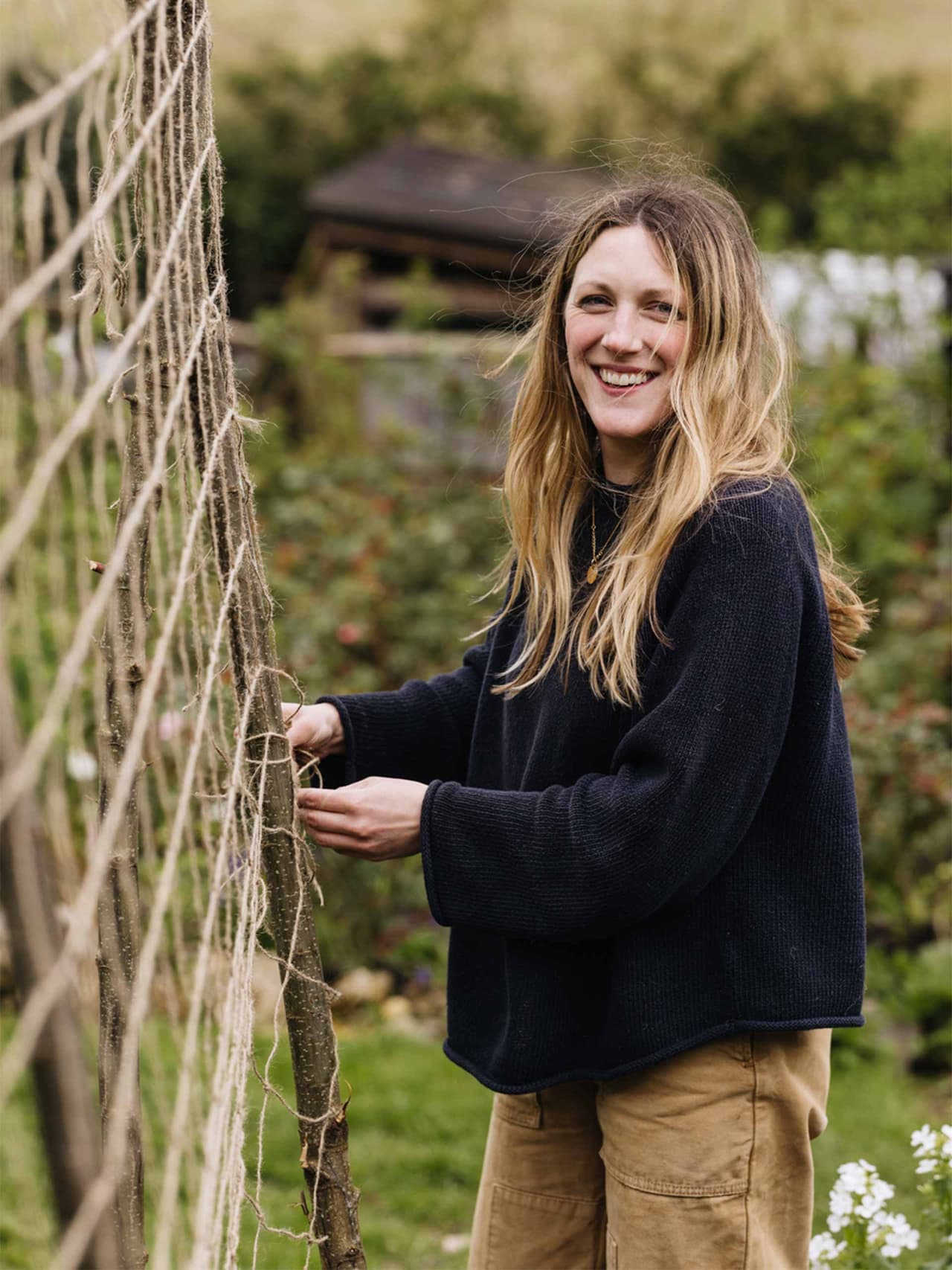
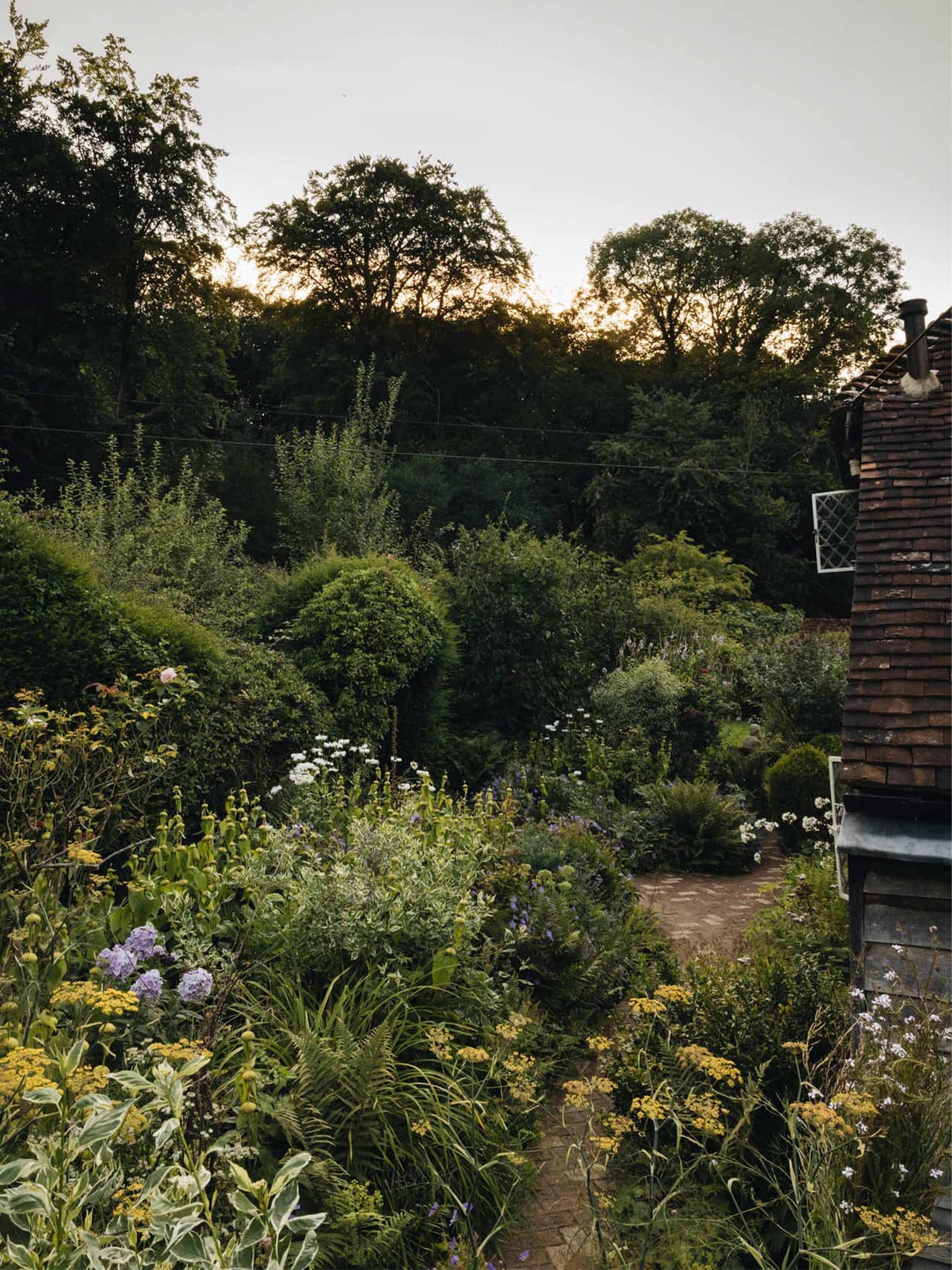
1. Start with what you love
It’s easy to get overwhelmed by what you think a garden should be, but I always come back to growing what I feel genuinely drawn to. Whether it’s a colour, a scent or a memory, that connection will carry you through the practical work. When you love what you’re growing, tending it feels less like a task and more like a relationship.
2. Grow for abundance, not perfection
The most joyful gardens are the ones that feel generous. If you're planting for cutting, choose cut-and-come-again plants that want to give – like Cosmos, Sweet Peas or Calendula, and keep picking them to encourage more flowers. A garden doesn’t need to be neat or controlled to be beautiful, it just needs to be alive, evolving and full of movement.
3. Pay attention to your place
Every garden is different, shaped by its light, soil, wind and rhythm. Spend time noticing how yours behaves before making big plans. Where does the sun linger? Where does water sit? Gardening becomes much simpler when you work with your conditions rather than against them, and the results will feel more natural and deeply rooted in place.
Milli’s Picks
Anna Greenland, Organic Grower & Vegetable Gardener
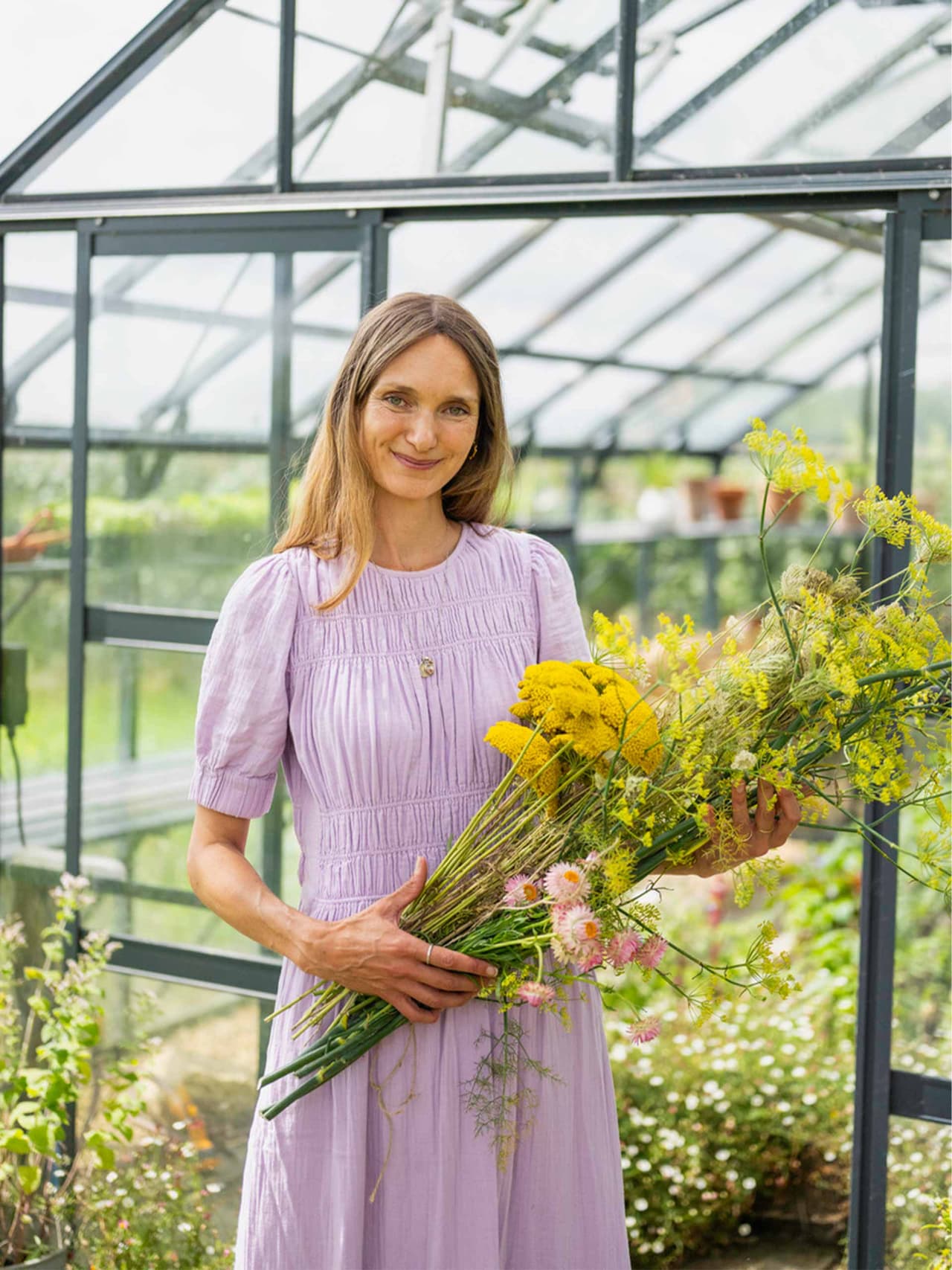
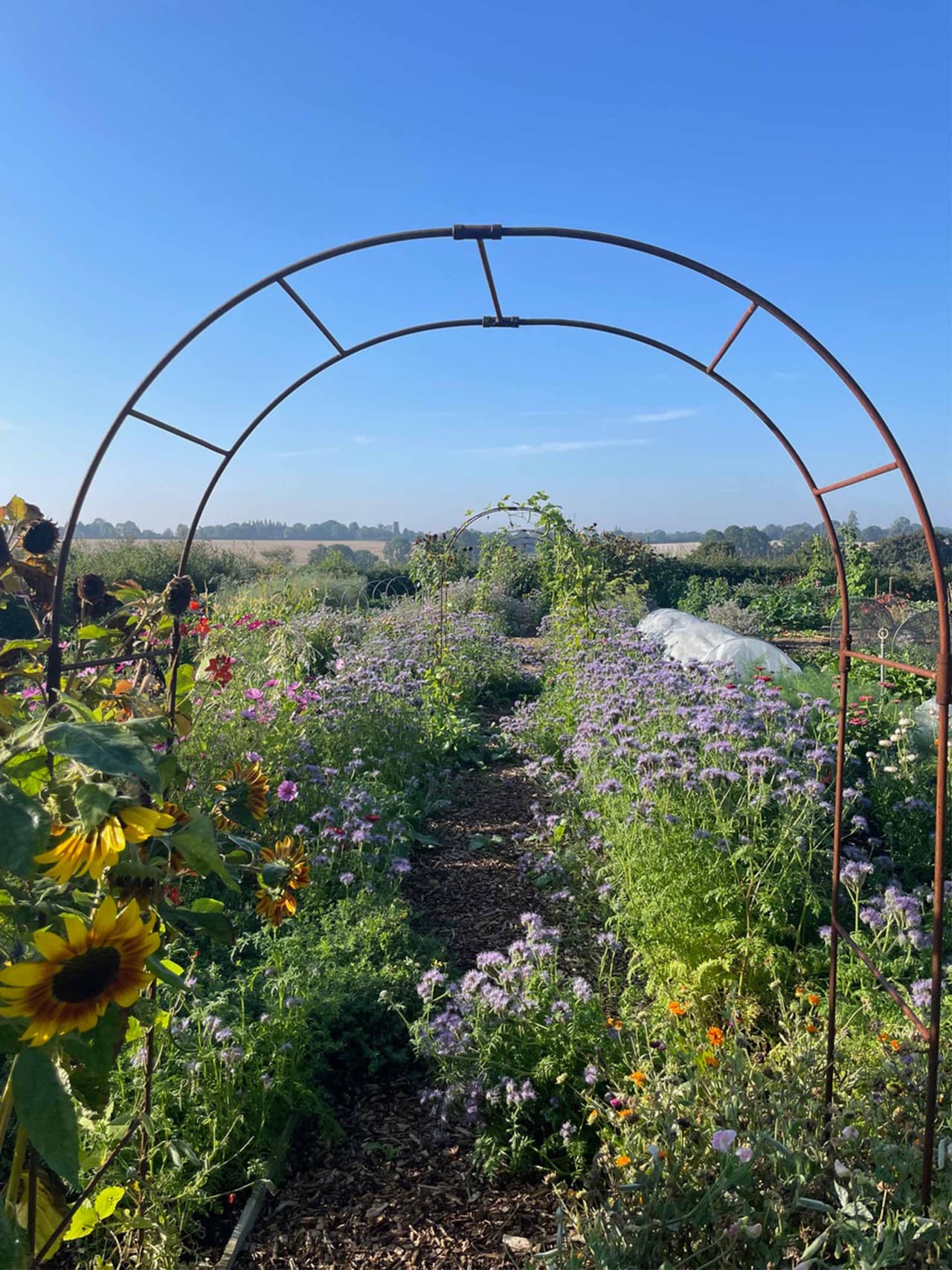
1. Prioritise soil health before all else in a vegetable garden
Healthy soil equals healthy plants which equals a healthy you! Think of it like your own gut that needs feeding with nutrient-dense food. A dose of good compost is a great start, but look into compost teas, wormeries and IMOs used in Korean Natural Farming. Never leave soil bare – always mulch with compost, wood chip, leaf mould or sow green manures.
2. Look to boost biodiversity in your garden
Grow a mix of different plants – from veg to cut flowers, herbs, fruit trees and native hedges – and let the wildflowers and weeds have a place at the edges. Nettles, for example, are home to a plethora of insect life. Encourage birds, frogs, beetles and hedgehogs as helpful natural pest predators, and allow a little wildness as mother nature is never immaculate – let your grass grow long in places.
3. Consider a gravel or sand garden for drought-tolerant plants
Our climate is changing and we need to introduce different plant choices to cope with reduced rainfall. I created a south-facing ornamental garden, where young vegetation was planted only into sand – no soil at all. It was only watered once, when the plants went in, and that was it! There are far less weeds, too, so it becomes pretty low-maintenance, but you must choose plants that suit a Mediterranean-style climate.
Anna’s Picks
Willow Crossley, Florist, Author & Floral Designer
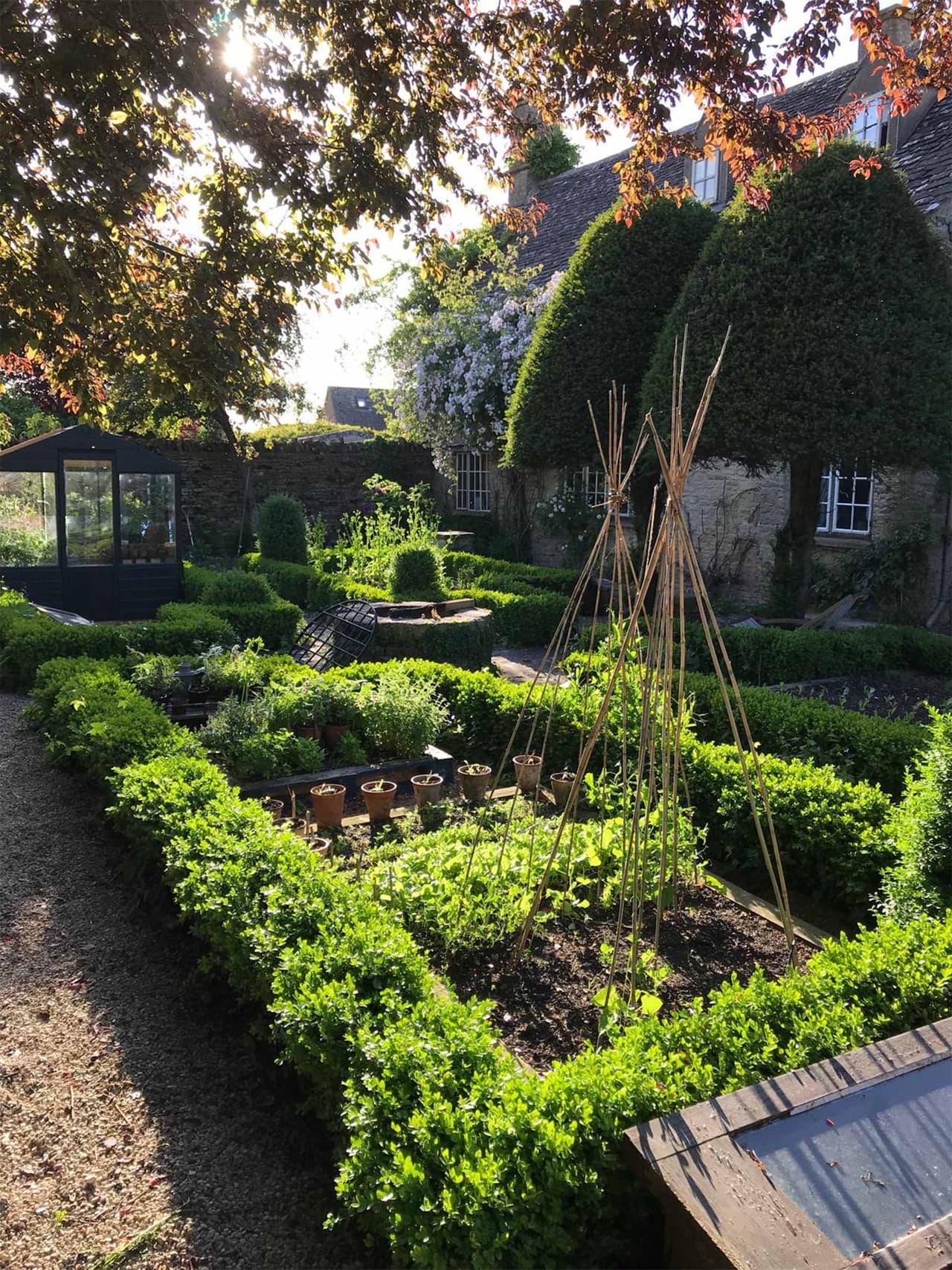
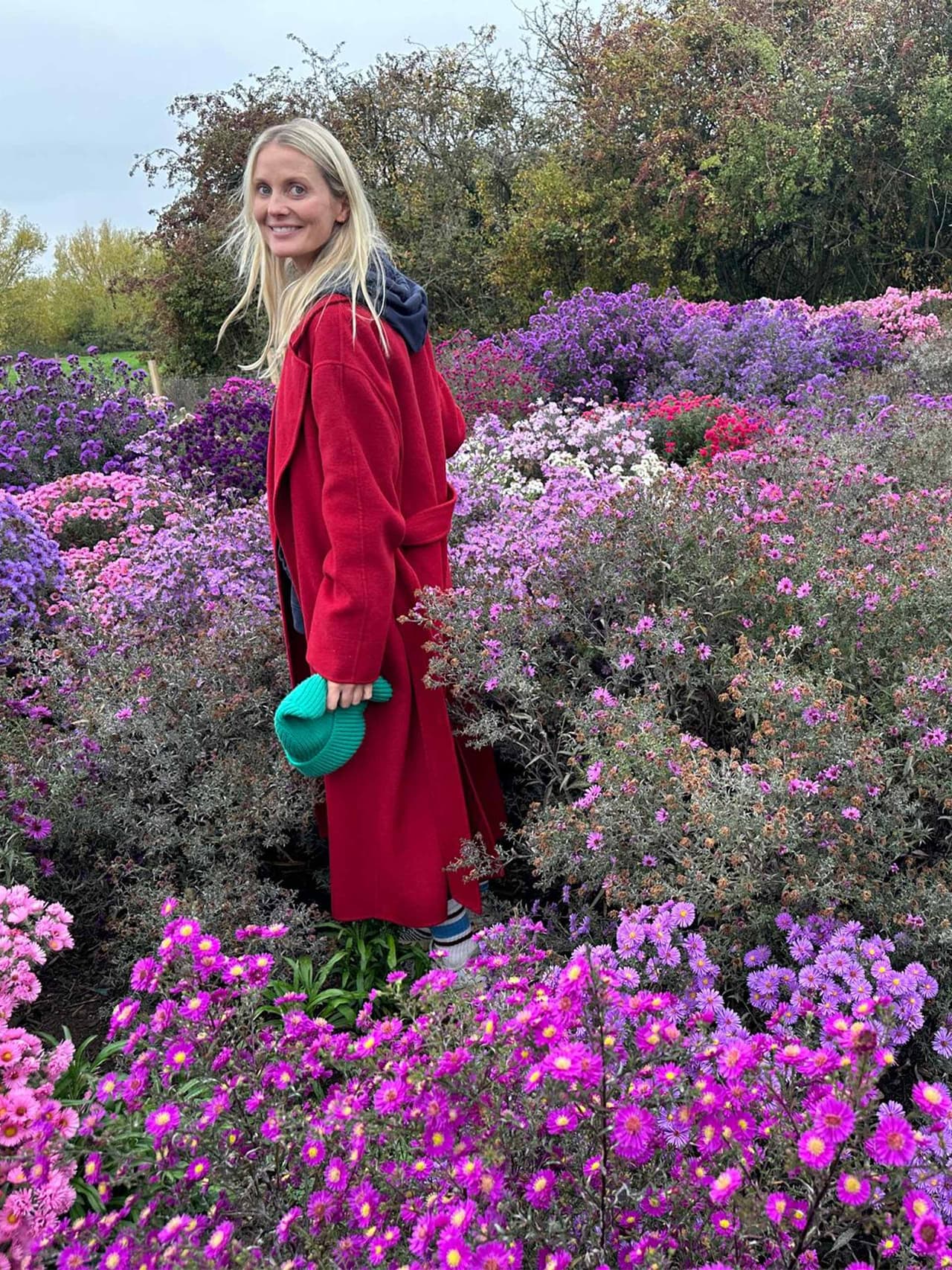
1. Keep it simple with low-maintenance planting
If you don’t have bags of time to garden, choose low-maintenance plants that are happy with minimal care – think hardy perennials and drought-tolerant varieties. I love big swathes of grasses, Gaura Salvia and Echinacea together.
2. Start small
If you’re new to gardening, don’t try to do too much too soon. Start small by sowing some seeds and move up to pots. Cosmos are a brilliant beginner seed to start with: they’re easy, fast-growing and wonderfully rewarding.
3. Make the most of any space
You don’t need a large garden to create something beautiful. You can create magic on a balcony, a doorstep or even a sunny windowsill. Sow seeds in containers, mix flowers with herbs, and think vertically where possible. With a little creativity, even the smallest space can feel lush and abundant.
Willow’s Picks