Travel
A Spring Guide To The Dolomites
As someone who has enjoyed many of the world’s most spectacular stays, travel editor Rosalyn Wikeley is hard pressed to select a best-loved location. But when nudged, she chose the Dolomites, and here she reveals why this region is a year-round delight…
A Note From Rosalyn Wikeley
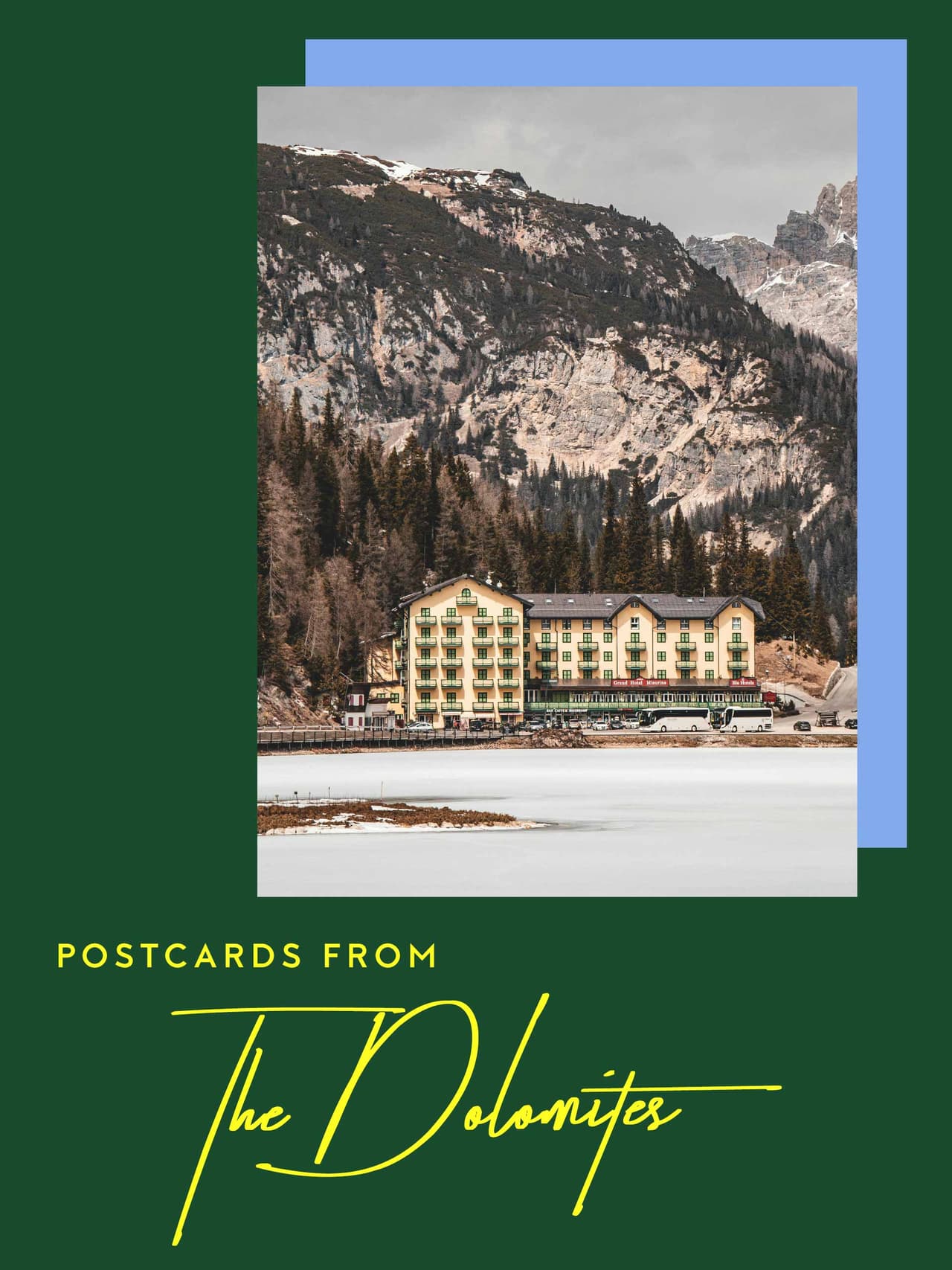
Winter brings a Narnia-like playground of glaciers, snow-dusted pine forests and jagged rock protruding from thick, white coats. Then summer arrives, a dramatic “hills are alive” scene of babbling streams, wildflower meadows and glassy lakes. Year-round, the Dolomites are ludicrously beautiful. The cinematic landscape plays host to some of Europe’s prettiest time-warp towns, and the region is dotted with a mix of old-school hotels and modern boutique stays, with spas, well-stocked bars and breathtaking balcony views. Ladin roots run deep here (an ancient culture unique to the Dolomites) and manifest in mouthwatering dishes, local rituals and year-round festivals that draw visitors back endlessly… myself included.
Where to stay
Fink 1896
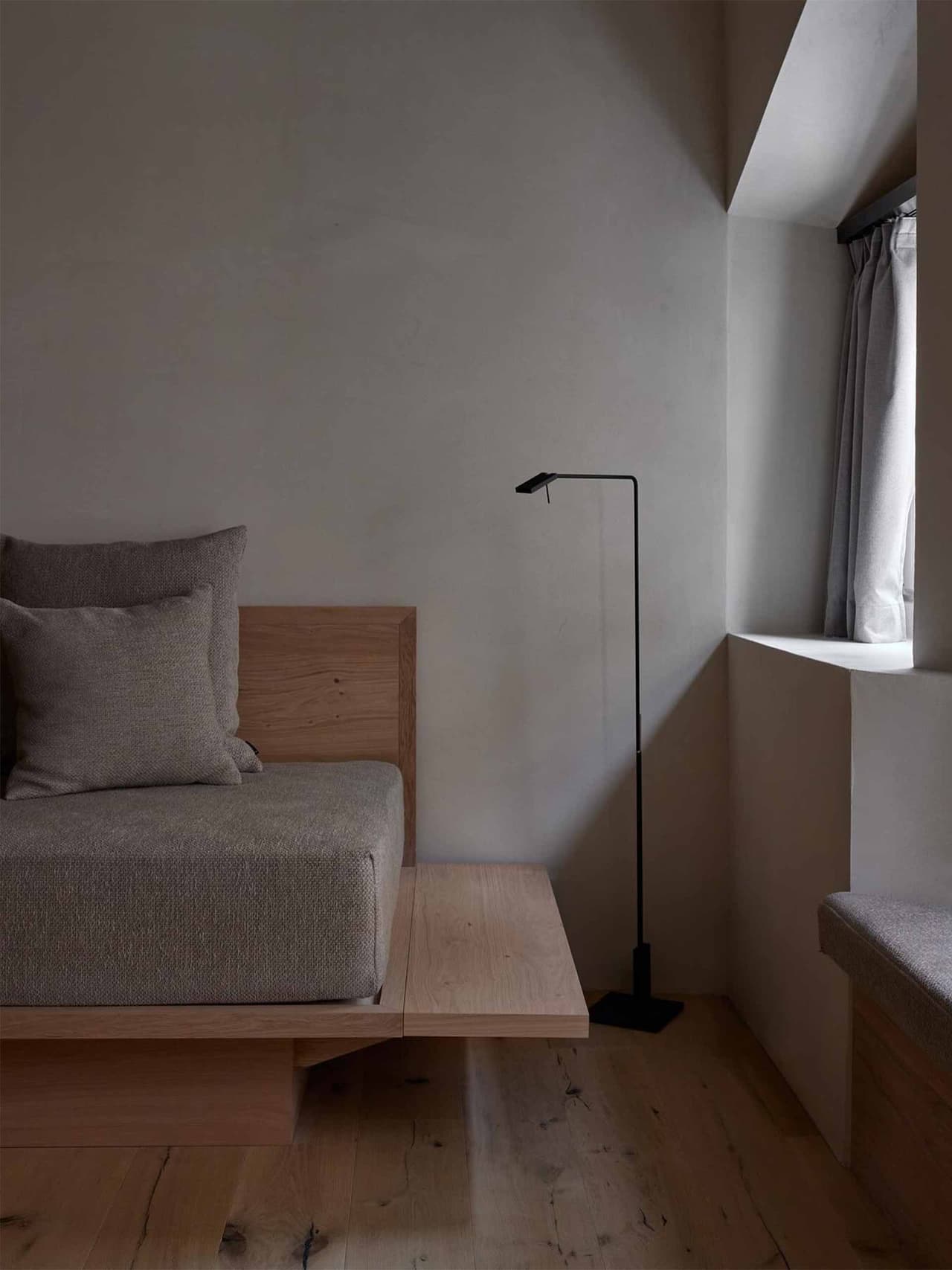
If it’s not Alpine folk chic, it’s a monastic modern aesthetic that has driven the Dolomites’ recent, highly photogenic, boutique hotel scene. Fink 1896 in burgeoning Brixen embodies the latter, offering a restrained, low-lit ode to slow living. Detail lies in the materials used to compliment the building’s bare vaults and frescos: think recycled woods, granite and original stone floors that shift its nine suites into cool, masculine design territory. And while it has operated as an inn and a laundry house at various points in its 600 years, it is the building’s monastic history that has been tapped into here, with undressed, buttermilk walls and deftly placed dark steel furniture that focuses the attention firmly on how the architecture slices the light. Radically eco-forward, Fink Restaurant’s menus are filled with bounty from local suppliers and the hotel’s own vegetable patches (think monastery bread and Brixen root vegetable tartare), while hydro-electricity powers the place.
Hotel Saltus
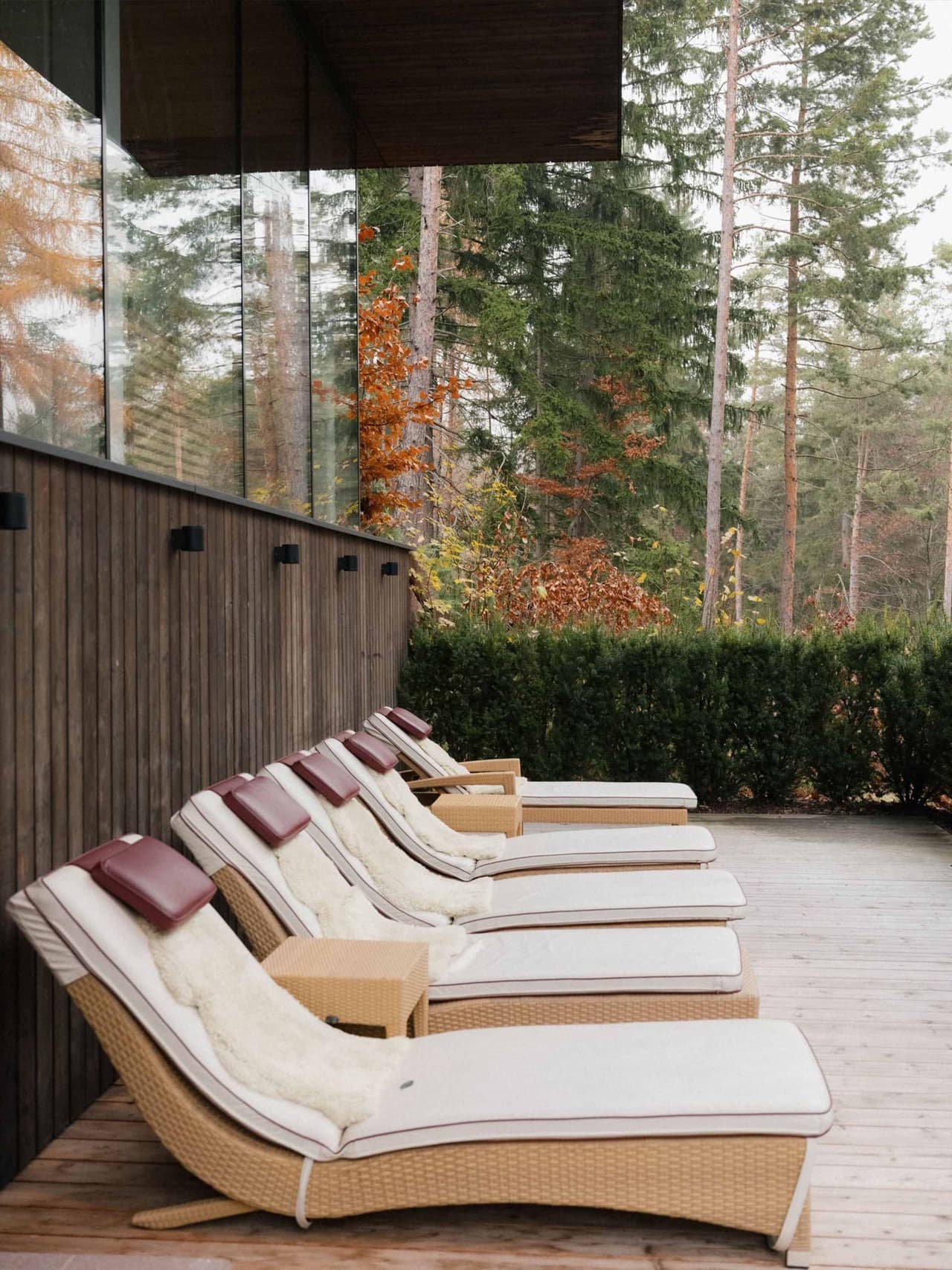
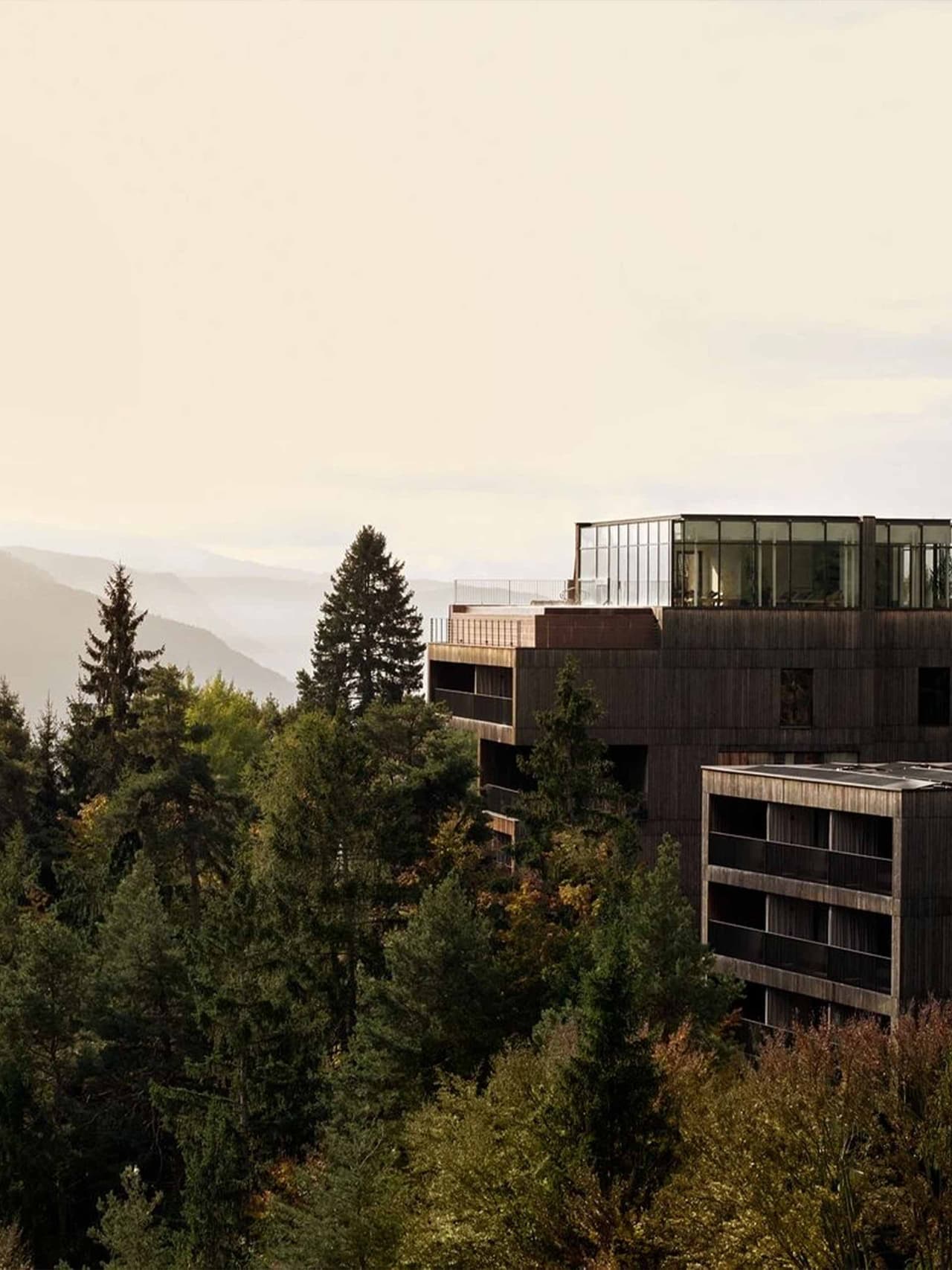
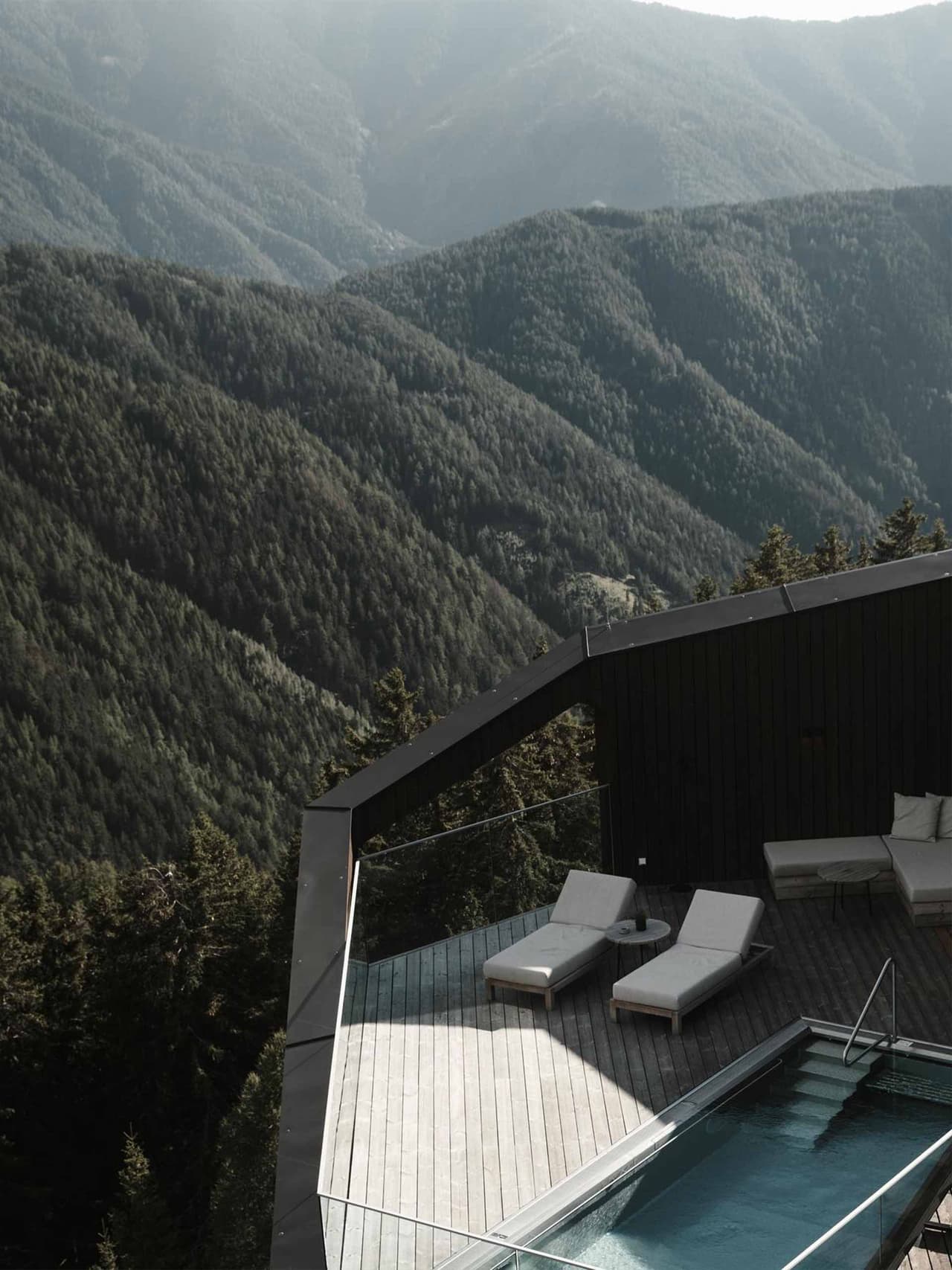
The passion project of mother Hedwidge Mumelter and her daughters Nadja and Claudia, Hotel Saltus proves how good-looking sustainable design can be, particularly amid the cinematic Dolomites and the biscotti-tin South Tyrolean village of San Genesio. The hotel’s soothing, undressed spaces are designed to subtly reflect the pines-and-peaks drama outside, with locally sourced materials such as clay, stone and larch, and a distinctly Alpine colour palette. Rain harvesting, an absence of single-use plastic and a localvore menu keeps its eco-credentials on point, while the forest spa – with its sky pool tipping over the valley – keeps guests returning for a go-slow, back-to-nature stay (there are no televisions in the rooms). So clever is the design of the floor-to-ceiling windows and large balconies that you’d be forgiven for hunkering down here all week – you’ll feel as close to nature from your bed or yoga mat as you would on the pine forest floor. But then again, you’d be missing out on hikes through Narnia-scapes in winter and pixie-green woods reached via glassy lakes in summer.
1477 Reichhalter
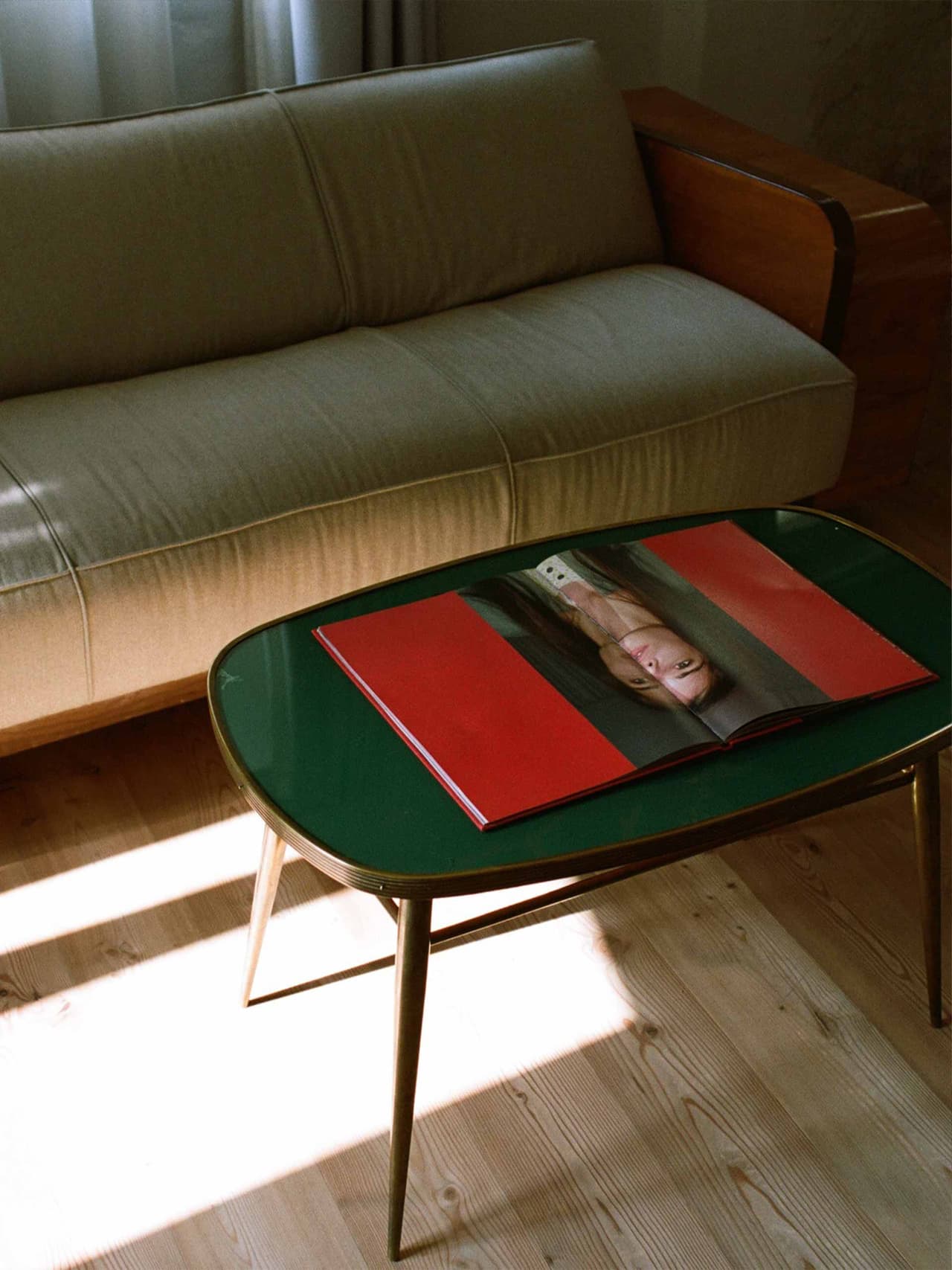
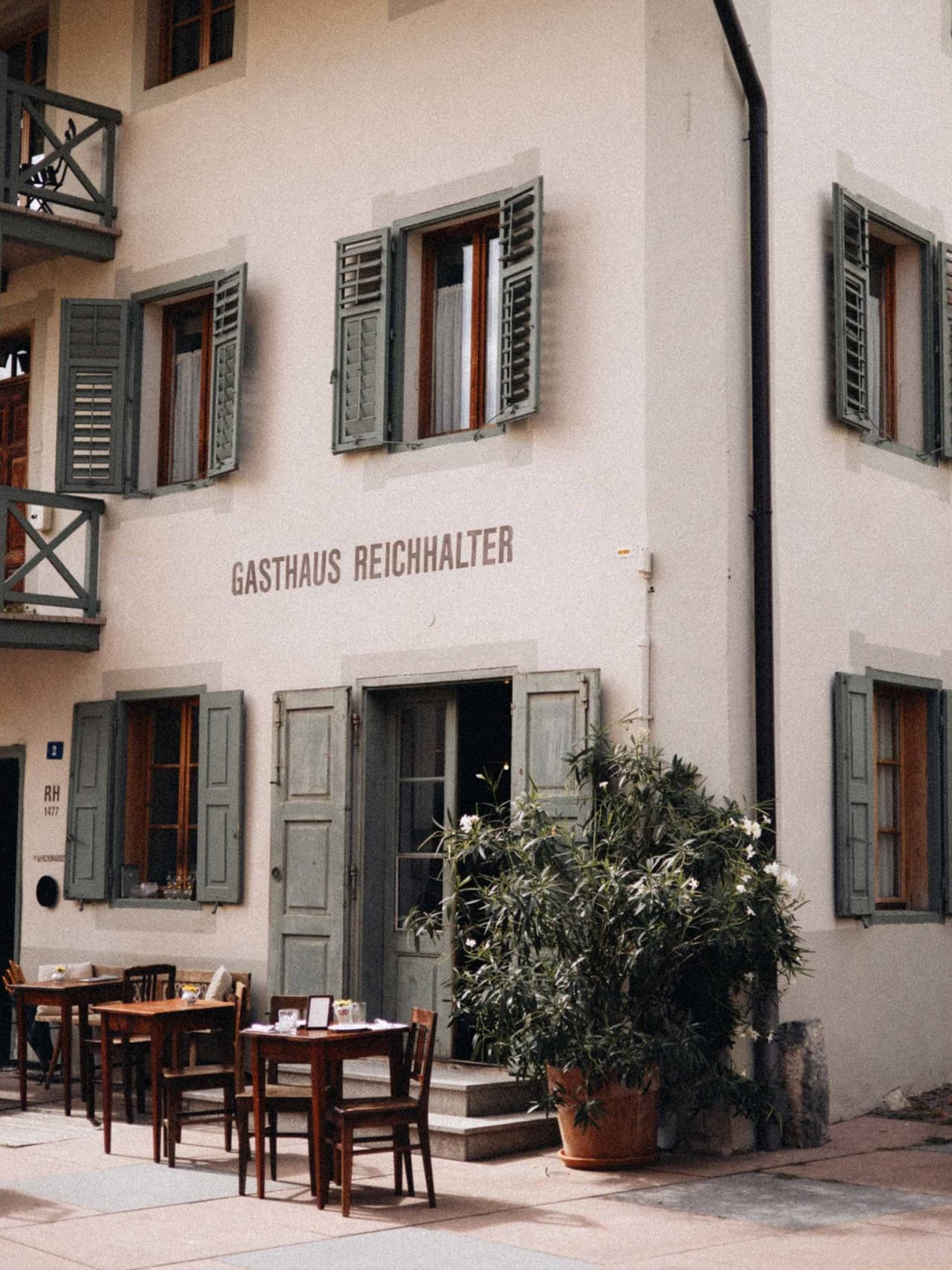
In the South Tyrolean town of Lana, 1477 Reichhalter hits all the pared down Dolomites design notes, with eight understated rooms and a brooding, melancholically-dressed dining room. With previous lives as a sawmill, a butcher’s and a barn, the 500-year-old inn has been gently, fastidiously brought back to life by hotelier Klaus Dissertori and designer Christina Von Berg. The hip, no-frills aesthetic accentuates the beauty of the canvas – mottled walls cast in perfect stencils of mountain light, reclaimed dark woods used as panelling – blending Tyrolean tradition and stark modernism. Nutty wafts of just-baked brioche drift through the old inn as guests stretch and negotiate the piercing morning light. And amid all the design restraint is the sense that the crucial ‘hotelling’ details are prioritised: meringue-crisp sheets, beguiling vintage lamps, a bistro table perfectly placed to catch the afternoon sunshine, complete with a tiny vase of freshly cut Alpine posies. The bar is by far the most popular in town, and the complimentary bikes outside are a resounding hit with guests (as are sister venue Hotel Schwarzschmied’s pool and saunas on rainy days).
Villa Arnica
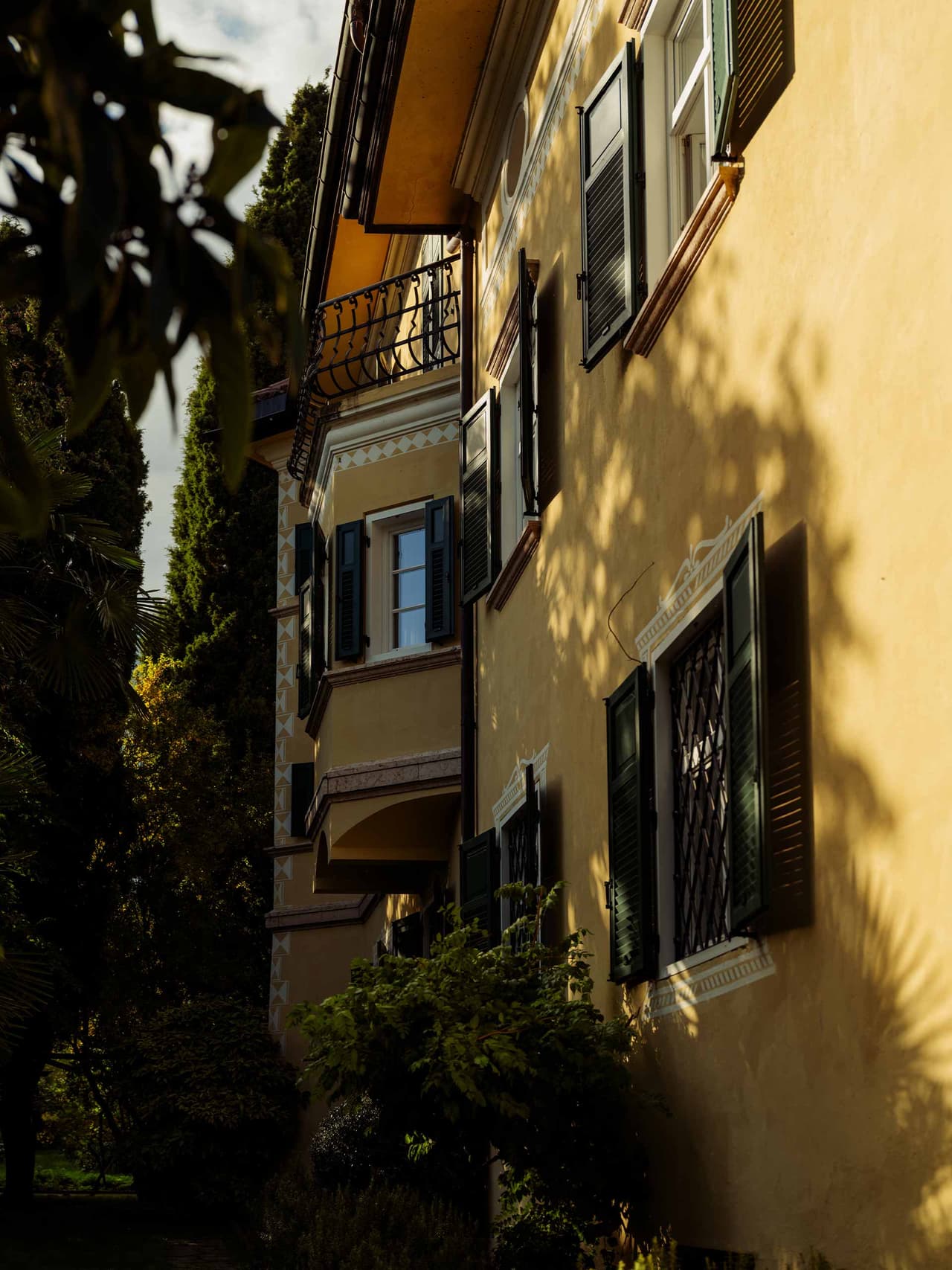
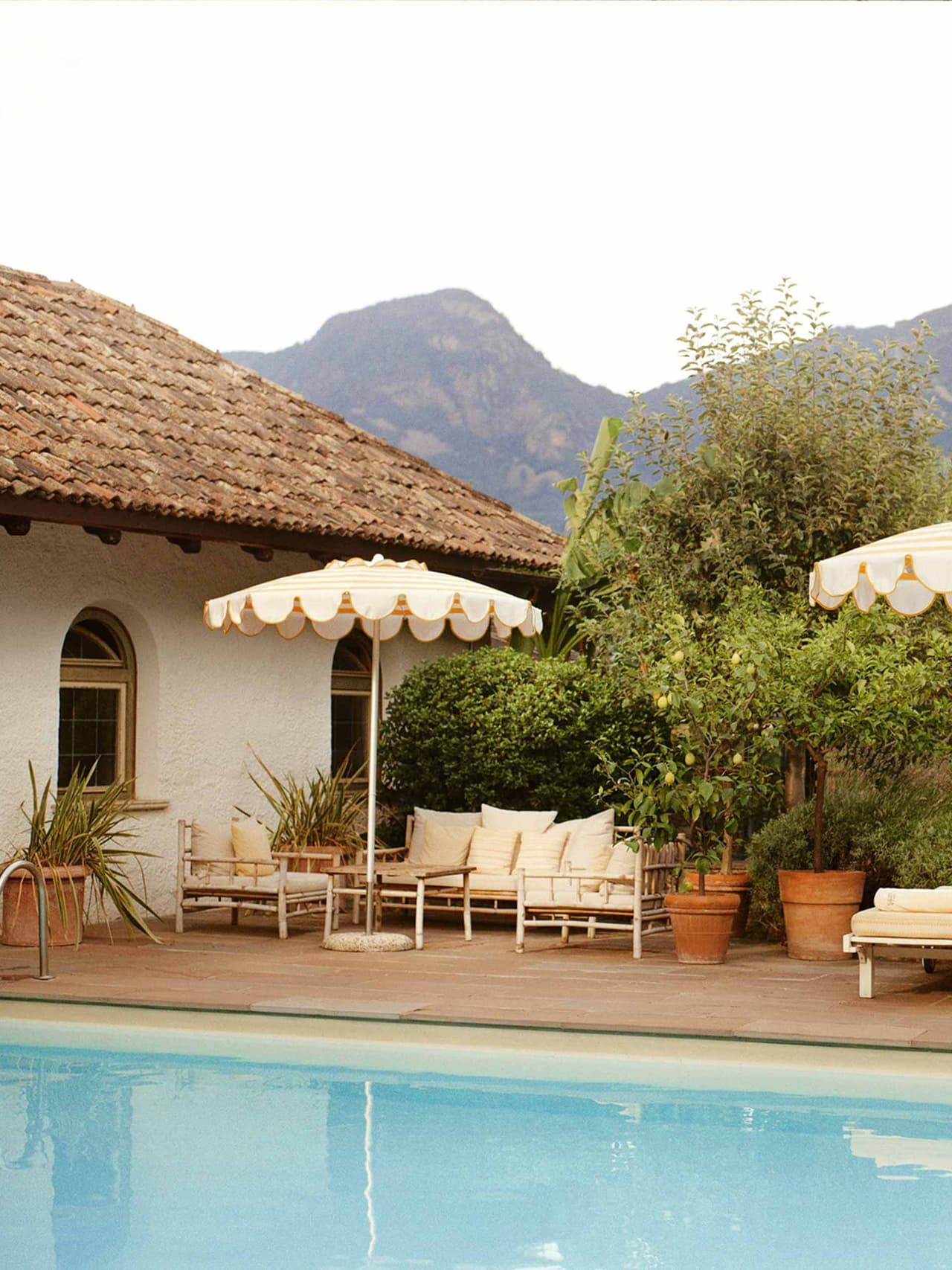
A welcome outlier from South Tyrol’s brooding shades and blonde-wooded contemporary restraint, adults-only Villa Arnica sits at the Dolce Vita end of the area’s Alpine-meets-Mediterranean identity scale. The terrazzo floors, scalloped parasols lining the pool, palm-festooned gardens and murano glass lighting all feel right at home in this Mediterranean micro-climate. Then there’s the cosy, wood-panelled stube, filled with goodies from South Tyrol’s farmers, the parquet flooring and the period details from the villa’s long-history of hosting artists and writers. A smattering of mid-century furniture pairs like a dream with the Twenties villa’s period features – there’s nothing crusty or twee about it, and the contemporary hoik hasn’t detracted from its elegant, early-twentieth-century charm. Views from the green-shuttered windows are framed by the totemic peaks, and Lana itself is a Nutcracker-esque maze of cobbled streets and café pit stops (if you’re not heading up to Merano 2000 with your skis for a few thigh-busting runs).
Where To Eat
SanBrite
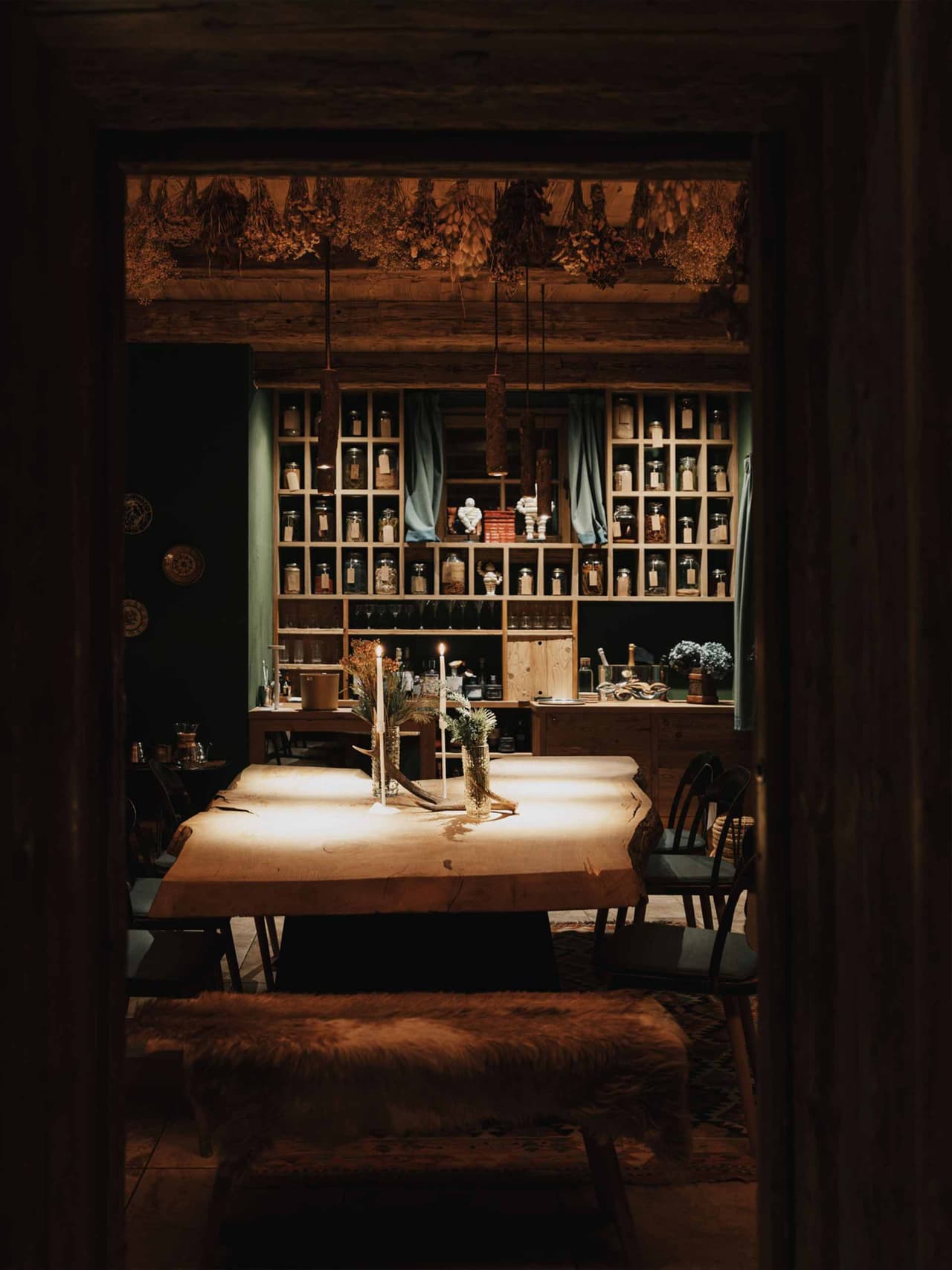
Dialling up Cortina d’Apezzo’s restaurant scene in 2017, without the fanfare and froth the Michelin-star lot often fawn over, SanBrite is elevated local fare, done right. Operating from his family’s barn, Riccardo Gaspari stays loyal to his native region for an imaginative (not overly flamboyant) seasonally shifting menu, honing in on the notion of regenerative cuisine. Ingredients are largely sourced from the family farm or surrounding forests (milk from the dairy, meat from their own flocks and herds, and pine, herbs and nuts foraged nearby). Go for the Sentiero tasting menu, or for something special, book Gaspari’s Outdoor Experience, unfolding the restaurant’s magic in a multitude of scenic spots (lakeside, peaks, a clearing in the pine forests…).
El Camineto
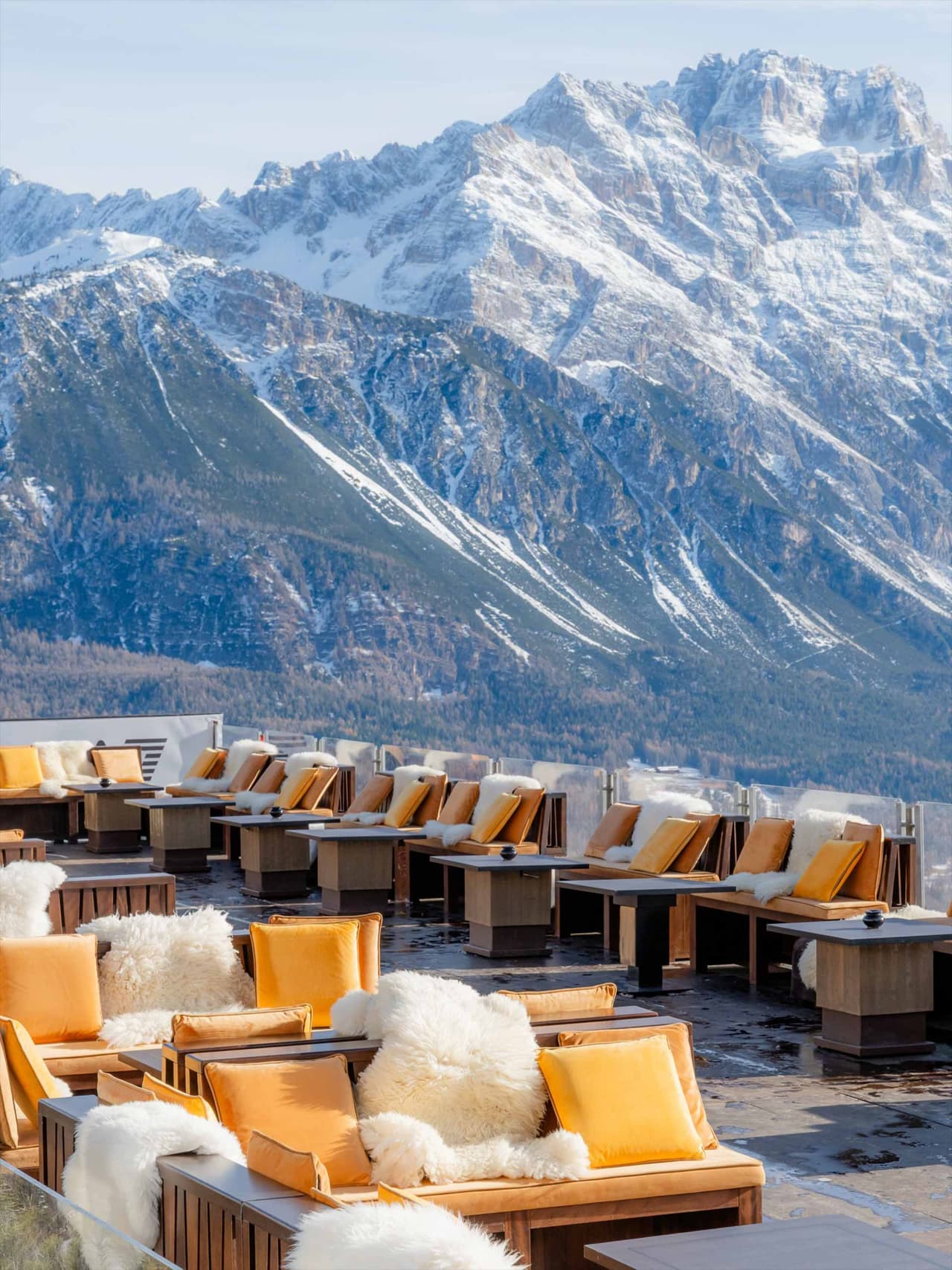
This spot is a favourite with both Cortina d’Ampezzo’s skiers and non-skiers, courtesy of its prime location at the bottom of the Tofane ski area’s Duca d’Aosta chairlift. El Camineto is Slim Aarons territory, with top-drawer people-watching. Lean back into your sheepskin chair, absorb the piercing sunshine after a well-deserved, thigh-busting morning on the slopes (or not), and order the risotto, the ‘spaghetti alla vodka’, and then the meringue, washed down with cool glasses of Eiswein.
Maso Runch Farm
For a family-run restaurant, with all the Ladin classics and Alpine cosiness, agriturismo Maso Runch Farm more than delivers. There’s a ‘Brothers Grimm’ charm to it, with its pine-clad dining room and heart-thumping Dolomiti views framed by gingham curtains. There’s also a fairly priced six-course tasting menu, featuring pillowy spinach-and-ricotta ravioli drenched in farm butter and rich pork shank with crisp polenta.
Jimmi Hütte
On the Gardena Pass in the very heart of the Sella Ronda, rifugio Jimmi Hütte is a cosy, pine-profusion lunch spot with a large sun-trap terrace. Skiers peel off their goggles to wolf down South Tyrolean classics with a modern twist, backdropped by spine-tingling views of the majestic Sella and Cir peaks. Dolomites insider, Oli Corkhill – founder of Leo Trippi high-end chalets – recommends this place to clients for its classic Dolomite charm, declaring: “You absolutely have to try the tagliolini with parmesan cream, chestnuts and black truffle.”
WHAT TO DO
Skiing
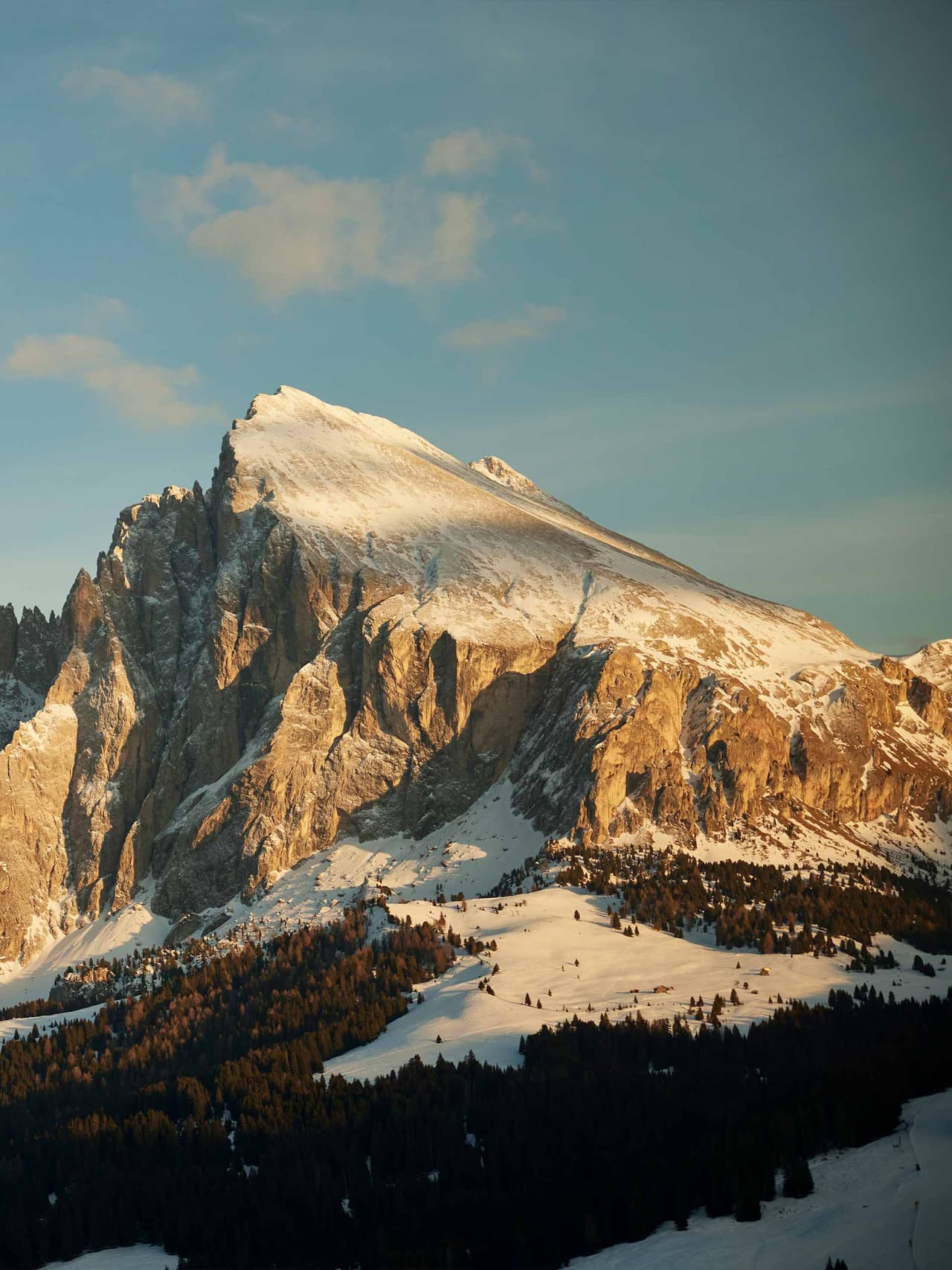
As soon as the Dolomites’ totemic peaks reach for their winter coat, the Milanese bundle into their cars for weekends on the slopes, along with in-the-know Europeans who prefer the Dolce Vita rhythms and more civilised price tag of the Italian resorts to their Swiss and French equivalents. The Dolomites piste-side rifugi offering is a tasty alchemy of Mediterranean and Alpine cuisine (particularly at those found in the South Tyrol region), and well-connected ski areas wiggle across great swathes of map (including the Dolomiti Superski area and Sellaronda circuit). And though you’ll receive this and plenty of jagged-peaked drama from all resorts, they all have their own identities and attract certain tribes: Cortina d’Ampezzo for serious skiers and chic, sunny lunches; the quintessentially Italian Madonna di Campiglio; the quietly glamorous Corvara in Alta Badia; the pretty Val Gardena set (Ortisei, Santa Cristina and Selva) where Ladin culture runs deep, or the chic (sometimes shady) Courmayeur not far from the French border. Non-skiers have plenty of snowshoeing, dog sledding, winter shopping, spa-ing and superlative lunching to lean into.
Hiking
When the Dolomites thaw and reveal their soft, wildflower pastures and shimmering lakes, the hikers lace up and book that sun-trap gastro-hütte or rifugio (many stay open year-round). These dot a network of alte vie (high paths) which connect the peaks and valleys via some of the world’s most scenic, breath-snatching hikes. Perhaps the most famous is the 10km Tre Cime Di Lavaredo loop, starting at Rifugio Auronzo, with a World War II tunnel system to explore en route, and a trail to the turquoise Lago di Sorapis. Cortina d'Ampezzo’s Tofana di Mezzo hike is shorter (although a little steep and sketchy in places), with some of the most staggering views across the jagged peaks and emerald-green valleys. For a Sound of Music-style ramble, Alpe di Siusi's Alpine pastures are pure, yodel fantasy, with trails snaking past smoking huts. For something special, Alpine aficionado company Leo Trippi can collect chalet guests from various remote rifugi in the Cinque Torri area in a small plane, having chased down a tasty, local lunch with regional wines, guided by a sommelier. Mediaeval towns abound in the Dolomites, such as Ortisei, Merano, Lana, Cortina d’Ampezzo, and bear the legacy of Austro-Hungarian rule, with their rustic aesthetic and dumpling-and-speck menus. It’s worth hiking between these for café pit-stops.
Spas
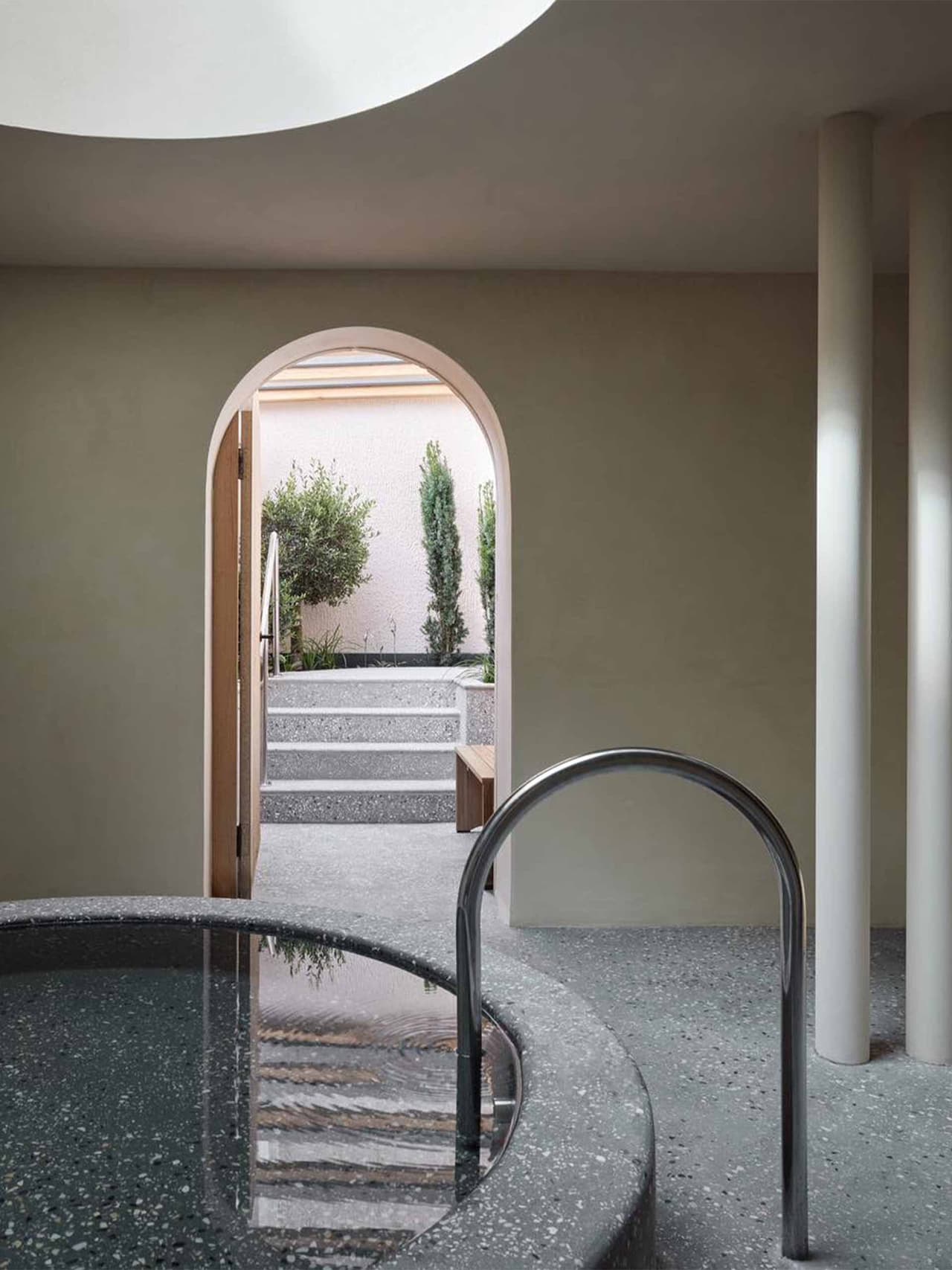
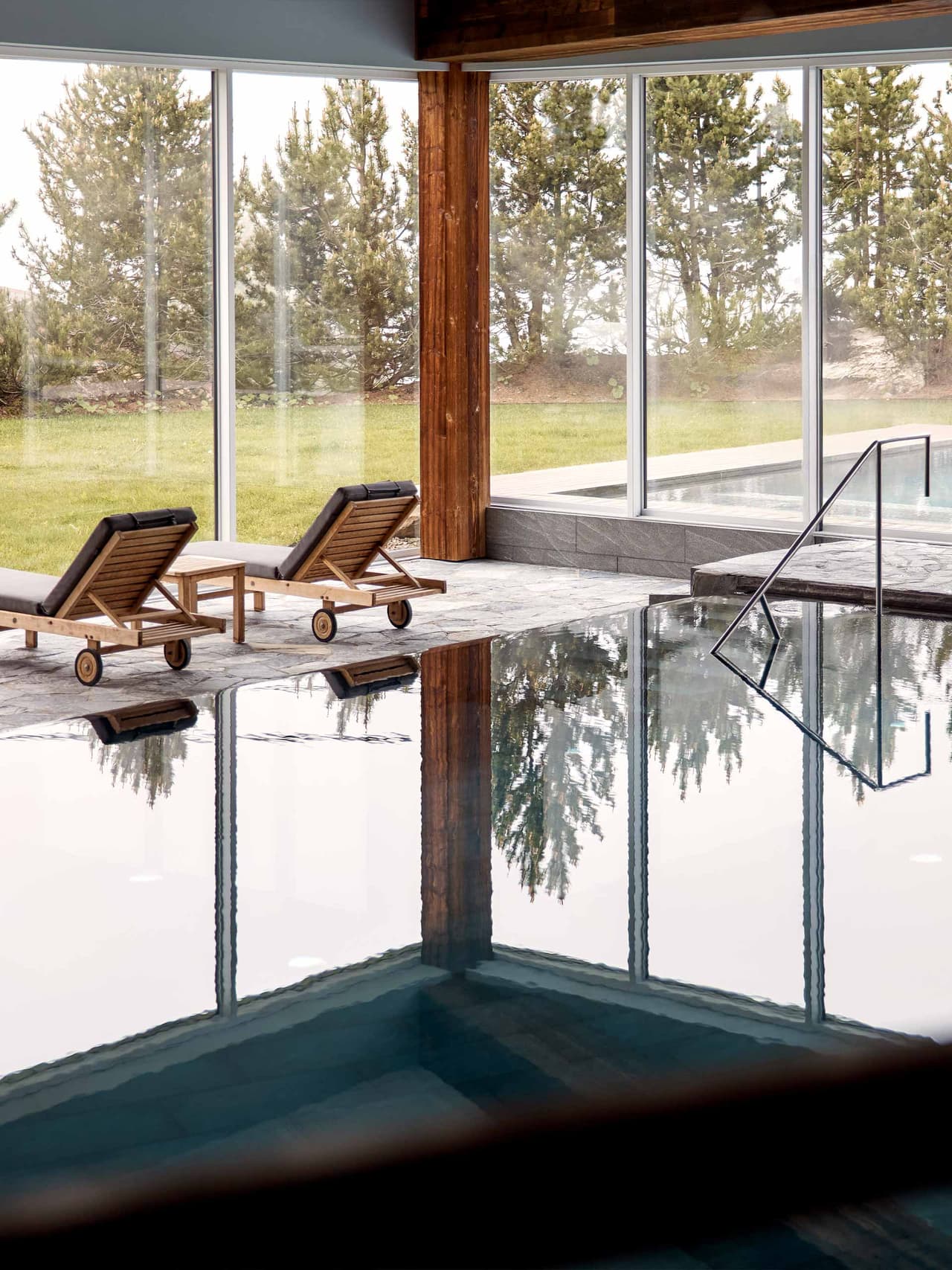
The Dolomites spa-scene is a year-round affair, and deeply rooted in its history, with Austro-Hungarian sauna traditions and many of the villages built around mineral-rich thermal waters. The spa hotels perch over valleys like dress circle seats, with sky-pools, hay-infused thermal baths tipping over pine-forests and wellness activities such as yoga and forest bathing pushing a back-to-nature agenda. Forestis Dolomites– an elemental, contemporary design marvel suspended in the mountainous scenery – is focused around its soothing, minimalist spa, as is My Arbor, a plush adults-only ‘treehouse hotel’, where couples swan around in gowns and slippers, waiting for another pine-oil deep-tissue massage. The angular COMO Alpina Dolomites, jutting from the watercolour Alpe di Siusi, is home to Como Shambala spa, where a Finnish sauna, aromatic steam bath and flat mass of warm water awaits those hiking the surrounding wildflower pastures or carving the slopes. Then there are the grade dames (eased into the twenty-first-century with new owners), such as the turreted Adler Spa Resort in Orisei and Rosa Alpina with its signature AMAN luxe-minimalism. You could feasibly stew, sweat and swim for days on end without so much as thinking about skis or hiking boots.
Shopping
The chocolate-box villages and towns dotting the Dolomites have been doing the now-hip artisanal ‘making and baking’ since time began. As such, they’re a joy to wiggle through and stumble upon a traditional woodcarving workshop, a pocket-sized, family-run chocolatier, or a lesser-known farmer’s market.
Fashionistas should base themselves in Cortina d’Ampezzo, not simply for the people-watching along the Corso Italia – key passeggiata (peacocking in tasteful designer garbs) territory – but for the shops too. Yes, it’s heavy on the designer brands (you’ll stomp past Fendi, Jimmy Choo, Valentino, Gucci), but the cooperataiva department store is an institution here for, really, anything – evening garb, hiking gear, jewellery… Then there’s Artigianato Artistico Ampezzano for hand-crafted pieces such as ceramics and wood carvings, and Paoletti di Follina 1795 for soft-as-clouds cashmere, and Moe Fausto for cured meats, Alpine berry jams and honey.
In Corvara, Alta Badia, you’ll find Ladin Alpine mementos at Boutique Monika, alongside a curation of clothes from European designers, and plenty of trinkets and homewares at Romantik Corvara. West of Corvara, in Val Gardena, pastel-pretty Ortisei, S. Christina and Selva are a cobbled warren of woodcarving independents and fashion boutiques such as Plan Chic in Selva, or Deur in S. Cristina. Meanwhile, in San Candido, a cluster of homeware and interior boutiques hug the river, offering everything from murano glassware to antiques and trinkets, while the legendary Haunold hat shop, owned by the Zacher family since 1560 is home to beautifully-crafted felt hats and slippers.
But for visiting shoppers, the real joy of the Dolomites is its markets. For antiques, head to Campitello di Fassa Flea armed with cash over the summer months, or to Bolzano and Merano’s regular flea markets and antiques dealers. And during the sunny season, farmers’ markets are the best way to sample the region’s top-tier produce, so haul your large straw basket to Ortisei, Brixen and Bolzano for seasonal fare.